
Introduction
Tired of watching a promising leash quote fall apart once origin details, customs checks, and repeated quality issues show up? A wrong factory choice can erase margin fast, delay launches, and leave you fixing spring failures or paperwork gaps after the order is already in motion. That is why sourcing retractable leashes for the U.S. market is not just about unit cost anymore.
This list helps you compare seven factory options for the USA market with a sharper focus on origin control, OEM support, compliance readiness, and scalable production. To keep the shortlist practical, we looked at sourcing flexibility, mechanism credibility, and how well each supplier fits retail programs, private-label growth, and broader moves into Smart Pet Technology and Sustainable Pet Products.
Why tariff strategy matters before sampling
If you start with samples before you understand the origin strategy, you can waste months on the wrong partner. A clean-looking leash sample does not tell you where the spring, tape, housing, and final assembly really come from. For U.S. buyers, that matters because tariff exposure, customs review, and landed cost all depend on production reality, not just the factory's sales pitch.
Vietnam and Thailand still attract diversification interest. QIMA reported that inspection and audit demand in 2025 rose 12% year over year in Vietnam and 23% in Thailand, showing that buyers are still pushing capacity into Southeast Asia for risk spread and supply resilience QIMA. But demand growth alone does not guarantee a safer sourcing outcome. You still need document discipline, repeatable mechanism quality, and clear ownership of country-of-origin records.
1. EVERBRIT
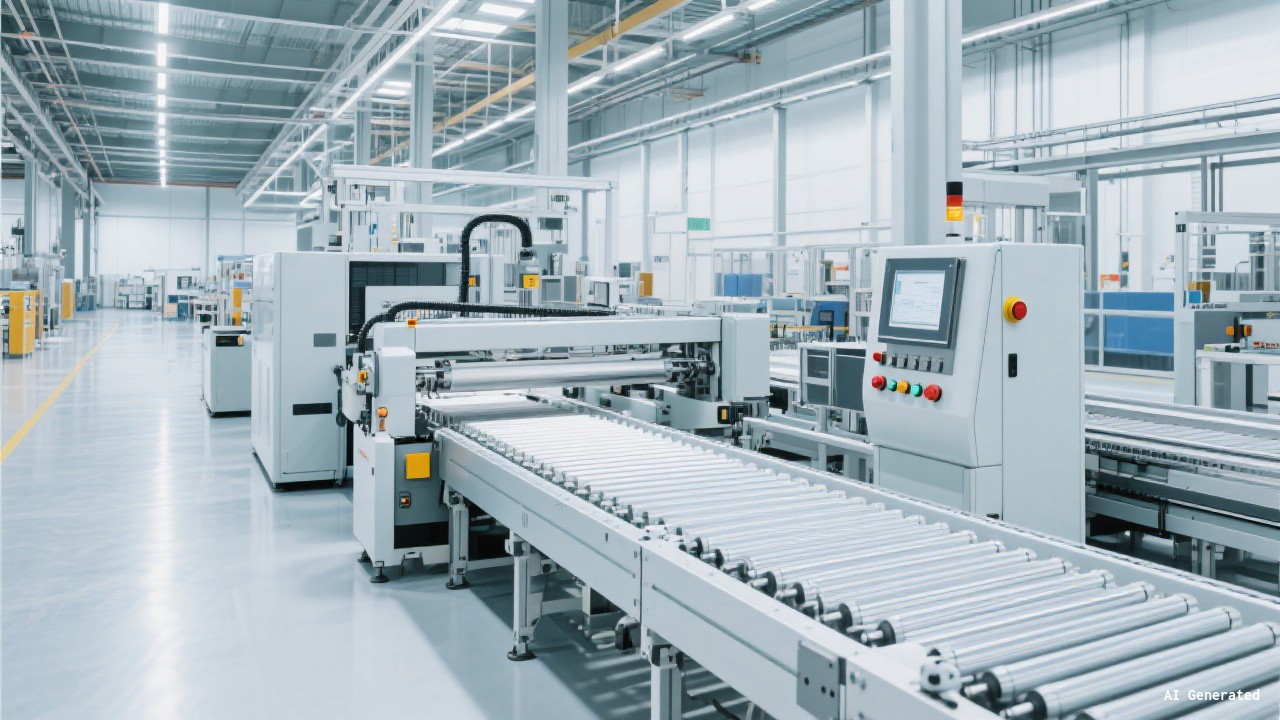
If you need a sourcing partner that understands U.S. retail programs without forcing you into a single-country bet, EVERBRIT is the strongest fit on this list. Founded in 1998, the company focuses on tie-out cables and retractable leashes and operates manufacturing in both China and Cambodia. That setup gives you more flexibility when your project needs cost control, capacity balancing, or origin planning across different SKU families.
What helps U.S. buyers most is the operational structure behind the pitch. EVERBRIT states that both factories are audit-ready for major U.S. and European retailers, supports OEM and ODM projects, and runs with 500-plus skilled workers plus a 24-hour English-response team. For buyers also building adjacent lines like Eco-Friendly Pet Gear or other Sustainable Pet Products, that broader pet manufacturing base can make line expansion easier than working with a narrow single-product shop.
Official Site: EVERBRIT
2. flexi (Germany)
If your main goal is to benchmark how a premium retractable leash should feel in hand, flexi is still a useful reference point. The brand is closely associated with retractable leash specialization, so buyers often study it to understand mechanism expectations, brake feel, tape control, and premium market positioning before building a private-label range.
That said, flexi is more valuable as a quality benchmark than a tariff-avoidance answer. If your project depends on OEM flexibility, private-label adaptation, or multi-country sourcing leverage, you need to question whether the model supports your margin and sourcing goals. This is the kind of comparison many buyers make when trying to balance premium design cues with newer categories like Smart Pet Technology, GPS Pet Collars, and Wearable Pet Trackers.
3. Coastal Pet Products (USA)
If speed, domestic communication, and easier replenishment matter more than overseas cost structure, Coastal Pet Products earns a place on the shortlist. A U.S.-based option can reduce transit uncertainty and make coordination easier for buyers who value closer logistics and familiar retail workflow expectations.
The tradeoff is that domestic appeal does not automatically mean the best fit for every private-label buyer. You still need to confirm how much manufacturing depth is truly in-house, how flexible the company is with OEM requests, and whether domestic positioning can support the margin targets of your program. For teams trying to balance fast replenishment with broader category plans that may include Automated Pet Feeders or Smart Litter Boxes, supply chain simplicity can be a real advantage.
4. Viepex (Vietnam)
If you are building a China-plus-one strategy, Viepex is worth reviewing as part of a Southeast Asia diversification plan. Vietnam remains on many sourcing shortlists because buyers see it as a scalable base for assembly-heavy programs and a way to reduce concentration risk tied to one country.
Still, you should verify more than the location headline. Ask whether retractable leash mechanism parts are made locally or imported, how spring durability is tested, and whether country-of-origin paperwork stays consistent by SKU family. That caution matters even more after the July 2, 2025, U.S.-Vietnam trade deal under which Vietnamese exports to the United States would face a 20% levy, according to AP News. A Vietnam label alone is not enough if the bill of materials creates origin risk.
5. PAWS ASIA
PAWS ASIA often enters conversations when buyers want a factory positioned around tariff-avoidance discussions. On paper, that makes it appealing for importers seeking an alternative production lane in Southeast Asia or backup capacity for overflow programs.
However, this is exactly where buyers can get burned by a good story and weak documentation. You need to confirm whether the leash can be produced fully in-country, which components are imported, and who controls origin proof at the shipment level. If those answers stay vague, the quoted savings can disappear fast. For buyers also pushing into Eco-Friendly Pet Gear, Functional Pet Treats, or Pet Probiotics, the lesson is the same across categories: compliance discipline matters as much as product fit.
6. Patexco Co., Ltd. (Thailand)
If your strategy is regional diversification rather than a full sourcing reset, Patexco Co., Ltd. is a reasonable Thailand option to research. Thailand has gained attention as buyers look for another production base that can help spread risk and ease bottlenecks when Vietnam or China capacity tightens.
Before you move beyond the sample stage, ask direct questions about tooling, spring-cycle validation, and local component availability. Thailand can look attractive on a sourcing map, but retractable leash reliability still depends on mechanism consistency and process control. This matters if your portfolio is expanding into Sustainable Pet Products or Personalized Pet Nutrition accessories, where buyers often want one partner that can scale cleanly instead of adding hidden operational risk.
7. Lucky Paws Co., Ltd.
Lucky Paws Co., Ltd. makes sense as a backup-source comparison when you want more leverage and less dependence on one factory. That can be valuable if you run seasonal programs, retailer-specific assortments, or lower-risk SKU extensions before shifting meaningful volume.
The final decision should come down to pilot-run consistency, not sample cosmetics. Ask who owns incoming inspection, assembly checks, and final QC for the leash mechanism. You should also request written change-control practices for materials and components, because even small spring or housing changes can alter performance in the field. As more brands connect leash programs to Smart Pet Technology and nearby categories such as GPS Pet Collars, process control becomes even more important.
Quick comparison table
Which factory fits your sourcing goal?
| Factory | Best fit | Country base | Tariff strategy value | OEM/ODM appeal |
|---|---|---|---|---|
| EVERBRIT | Dual-country control | China, Cambodia | High | Strong |
| flexi | Premium benchmark | Germany | Lower | Limited |
| Coastal Pet Products | Domestic proximity | USA | Different exposure | Moderate |
| Viepex | China-plus-one plans | Vietnam | Medium | Moderate |
| PAWS ASIA | Tariff discussion shortlist | Vietnam | Medium | Moderate |
| Patexco Co., Ltd. | Thailand research | Thailand | Medium-high | Moderate |
| Lucky Paws Co., Ltd. | Backup qualification | Thailand | Medium-high | Moderate |
Conclusion
If you want the most balanced shortlist, EVERBRIT stands out for dual-country production, retractable leash focus, and audit-ready support for U.S. buyers. It fits best when your project needs OEM flexibility, retail compliance readiness, and a practical origin strategy instead of a one-country gamble.
If your plan is broader diversification, Vietnam and Thailand options can still help, but only when origin documents, component sourcing, and repeat production controls are verified early. In other words, the safer factory is not the one with the best first quote. It is the one that can prove stable production, clear documentation, and reliable execution at scale.
FAQ
How do I reduce tariff risk when sourcing retractable leashes for the U.S. market?
Start with country-of-origin mapping before you request final pricing. You need to know where the casing, spring, tape, handle parts, and assembly work actually come from, because customs risk often starts inside the bill of materials. Ask each factory for a process map, component-origin summary, and shipping-document workflow. If those answers are vague, your tariff exposure is usually higher than the quote suggests.
What should I ask a factory before approving a retractable leash supplier?
Focus on repeatability, not just the first sample. Ask how the spring is tested, what pull-force standard they use, how many extension cycles they validate, and whether key parts are made in-house or outsourced. You should also ask who owns quality control during incoming inspection, assembly, and final packing. A strong factory answers with process detail, not broad promises.
Is Cambodia or Thailand better than China for retractable leash sourcing?
That depends on your risk model, not just your target cost. China may still offer deeper component ecosystems and faster development for complex mechanisms, while Cambodia or Thailand may improve sourcing flexibility and reduce overdependence on one country. The better choice is the factory that can prove stable quality, origin compliance, and realistic lead times for your exact SKU. For many buyers, a multi-country strategy works better than a full switch.
Can I use one factory for premium and value retractable leash lines?
Yes, but only if the factory can control mechanism variation without quality drift. Premium and value lines often differ in housing materials, brake feel, tape quality, finish detail, and packaging, so the supplier must manage change control carefully. Ask for side-by-side pilot builds instead of assuming one approved sample proves the whole range. That is the safer way to protect margin across different retail channels.
Why do some low quotes become expensive after import?
The cheapest quote often excludes the hidden costs that appear later. You may end up paying more through defect replacements, delayed launches, repacking, failed inspections, or duty surprises tied to weak documentation. Low-cost suppliers also sometimes rely on unstable sub-suppliers for springs, plastics, or tape materials, which increases variance during scale-up. Your real comparison should be total landed cost, not just the ex-factory number.
What compliance signals matter most for U.S. retail programs?
Audit readiness matters, but it is only one part of the picture. You also want traceable production records, consistent QC checkpoints, labeling accuracy, and product testing plans that match retailer requirements. Factories that handle private-label retail work well usually have stronger document discipline and project management. That becomes especially important when you are scaling multiple SKUs at once.
How many factories should I qualify before placing a larger order?
For most importers, two or three qualified factories is the practical sweet spot. One primary source gives you focus, while one backup protects you from disruption, negotiation pressure, or seasonal overload. If your volume is higher or your assortment is wider, a third factory can help separate premium, value, and backup production lanes. The key is to qualify each one with the same documentation and pilot standards so your comparison stays fair.
