
Introduction
Still stuck chasing a late sample while your launch date creeps closer and closer? That scramble usually starts with one missing piece: nobody agreed on the real failure risks, the true decision-maker for specs, or the exact sign-off path before the factory began.
Get this wrong and you do not just lose time. Weak QA can trigger refunds, chargebacks, and retailer complaints that follow you into every next program.
Outsourcing for Pet Products
OEM vs. ODM: What you control, what the factory controls
Outsourcing decisions go sideways when your team says "OEM" but operates like "ODM" (or the other way around). The simplest rule is this: OEM means you own the design inputs (drawings, materials, performance targets), while ODM means the factory proposes a design that you customize and brand.
Use OEM when performance and liability are tightly linked to the details, such as tensile strength on tie-outs, brake reliability on retractable leashes, or stitch patterns on load-bearing straps. Use ODM when you want faster sampling, you can accept a proven base design, and your differentiation is mainly in colors, packaging, and positioning.
To keep decisions clean, define ownership for three items in writing:
- Spec owner: who sets tolerances and test methods
- Change owner: who can approve ECO changes
- Tooling owner: who owns molds and drawings
Cost model: Tooling, MOQ, and landed cost (not unit cost)
If you only compare quotes on unit price, you will pick the wrong supplier. Your real cost is landed cost plus quality risk, because rework, claims, and missed delivery windows cost more than a slightly higher factory price.
Build a basic cost model that separates one-time and recurring costs:
- One-time: tooling, jigs, fixtures, artwork plates
- Recurring: materials, labor, packaging, inspection, cartonization
- Logistics: freight mode, routing, carton size, pallet pattern
- Import friction: duties, exams, relabeling, port storage
A practical procurement habit: require the factory to quote tooling separately from per-unit cost, and require a versioned quote. When the quote changes, you want to see what changed and why.
Define Product and Risk
Lock SKU scope and variants before you chase quotes
Before you email factories, freeze what you are actually buying. Teams waste weeks when they quote a concept instead of a SKU. A factory can only control cost and quality when the scope is stable.
Start by defining the SKU "box":
- Core function: what must always work
- Variants: size, length, color, hardware finish
- Packaging: unit pack type, inserts, warning language
- Target markets: U.S., EU, or both
Next, remove "nice-to-have" options from the first run. Your profit comes from repeatable production, not from launching with ten variants that all need separate materials and artwork.
Rank failures: safety, function, finish
Risk control works best when you rank failures in the order they hurt you. For pet products, the risk stack usually looks like:
- Safety failures: breakage, sharp edges, toxic materials
- Functional failures: lock does not hold, clip jams, stitch tears
- Finish failures: scratches, color mismatch, odor, dirty sewing
For each failure mode, write a short "what it looks like" description and a measurable test. If you cannot measure it, you cannot enforce it.
Find and Vet Factories
Verify real capacity (lines, shifts, and headcount)
You do not buy "a factory," you buy capacity on specific processes. Vetting means proving they can run your product consistently, not just once for a sample.
Ask for capacity in operational terms:
- Which workshop makes your product category
- How many lines can run it
- Normal shifts and peak shifts
- Headcount by process (sewing, assembly, wire/hardware)
Everbrit Pet positions itself as a dual-country manufacturing partner with production in China and Cambodia, and highlights in-house metal and wire capability for tie-out cable and retractable leash programs, plus cutting and sewing for soft goods.
Validate dual-country risk options (when it helps and when it adds complexity)
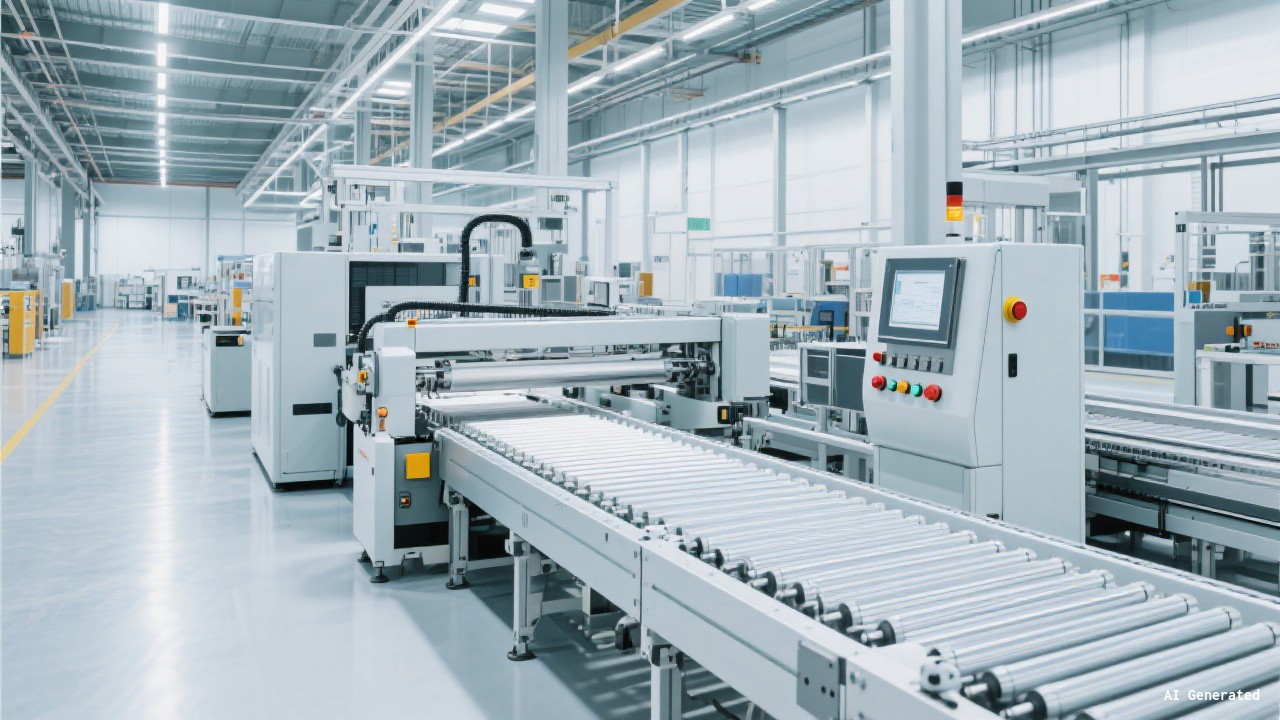
A second country can reduce disruption risk, but it can also duplicate your workload if your specs are not stable. The right time to add dual-country production is after you have:
- A locked CTQ sheet
- A validated test method
- A stable supplier list for critical components
Everbrit Pet promotes an integrated China and Cambodia production setup to optimize cost, capacity, and lead time while diversifying risk.
Price, Contracts, and IP
Separate tooling fees from unit costs
Tooling is usually the first place misunderstandings turn into conflict. Your contract should make the commercial structure obvious:
- Tooling: one-time charge, ownership, storage location
- Unit cost: material, labor, packaging, normal scrap
- Services: inspection fees, special testing, rework terms
If a factory bundles tooling into unit price, you lose visibility. That makes it harder to compare suppliers and harder to negotiate fairly.
Define incoterms, payment, and penalties in plain language
Contracts should reduce ambiguity. For outsourcing pet products, the most important commercial clauses are practical:
- Incoterms and transfer of risk point
- Payment timing linked to inspection gates
- Delivery definition (OTD measured on what date)
- Penalties or credits for late delivery or repeat defects
Also define what "approved sample" means. Use a single golden sample ID that both teams reference.
How to Choose the Right Outsourcing Setup
Product fit: materials, mechanisms, and wear points
Before you choose a factory, classify your product by what actually wears out:
- Metal fatigue: cables, clips, swivels
- Polymer wear: brake parts, housings, tapes
- Textile fatigue: stitches, webbing edges, abrasion zones
If your roadmap includes Eco-Friendly Pet Gear or Sustainable Pet Products, add a fourth wear view: end-of-life and material recovery. For example, mixed materials can improve performance but complicate recycling and documentation.
Factory readiness: audits, traceability, and test capability
Factory readiness is about proof, not promises. Ask for:
- Traceability format (lot code, carton marks)
- Calibration list for test equipment
- Sample retention process
- Evidence of audit readiness for retailer onboarding
Everbrit Pet highlights audit-ready operations and compliance alignment, which can simplify onboarding for large programs. (everbritpet.com)
Communication: English PM and response SLA
Most outsourcing failures are communication failures that show up as quality problems later. Define:
- One owner per side (PM to PM)
- A response SLA (for example, 24 hours for questions)
- A weekly sample and production checkpoint
Everbrit Pet emphasizes a professional English team with 24-hour response as part of its project management positioning.
Total cost: freight, duties, and rework exposure
A smart decision compares total cost under realistic defect and delay scenarios. A simple way to do that is to model two cases:
- Expected case: normal yield, normal freight
- Stress case: 1 failed PSI, rework, and delayed ship
If the stress case destroys your margin, the supplier is not actually "cheaper." You are just paying later.
| Scenario | Key risk | What to verify | Trade-off |
|---|---|---|---|
| New SKU, new materials | Spec ambiguity | CTQ sheet, golden sample | Slower first run |
| High-velocity reorder | OTD variability | Capacity proof, scorecard | Higher buffer stock |
| Retail launch | Compliance gaps | Test plan, traceability | More documentation |
| Dual-country plan | Process drift | Mirrored SOPs, audits | More coordination |
| Sustainable claims | Proof requirements | BOM evidence, test reports | Limited material options |
Conclusion
Outsourcing works when you stop treating it like a one-time sourcing event and start treating it like a repeatable operating system. Define the SKU scope, rank risks, and convert expectations into CTQs and inspection gates so quality becomes measurable and enforceable.
If you are rebuilding your process, start with one SKU and one clear use case, then expand once your sampling, ECO, and scorecard routines are stable. Over time, dual-country manufacturing can become a real risk-control lever, but only after you have a spec and QC system that can be replicated.
FAQ
How do I choose between OEM and ODM?
OEM is the better choice when you already own the design and you need tight control over materials, tolerances, and performance tests. ODM is a fit when you want the factory to propose a proven base design that you customize, which often speeds up sampling and reduces early engineering work. Decide based on how much IP you need to protect and how sensitive the product is to small design changes. If a minor component change could create safety risk or high return rates, OEM control usually pays back. If differentiation is mainly branding, colors, and packaging, ODM can be a faster path.
What documents should I send a factory before quoting?
Send a one-page spec sheet that includes dimensions, materials, color references, and the target markets (U.S., EU, or both) in plain language. Add drawings or annotated photos that show critical measurements and any "do not change" components. Include expected annual volume and your target order cadence because capacity planning affects quoted assumptions. Provide packaging requirements, including unit pack type, carton marks, and any warning labels you expect. If you already have test expectations, include the test method and pass criteria so the quote includes the right materials and process steps.
How can I lower costs without lowering quality?
Lower cost by reducing complexity: fewer variants, fewer unique components, and simpler assembly steps typically reduce defects and rework. Lock CTQs early and allow flexibility only on non-critical areas like colorways or non-load-bearing trims. Use value engineering to remove waste, such as overbuilt packaging or redundant stitching, but keep safety margins on load-bearing parts. Align MOQs to realistic sales velocity so you do not pay for excess inventory and markdowns. Finally, reduce hidden cost by tightening change control so you do not pay for repeated resampling and emergency air shipments.
What are the most common outsourcing failures?
Unclear specs are the top failure because factories will fill gaps with assumptions that do not match your market expectations. Weak change control is next, where small substitutions in hardware, coatings, or fabrics create performance drift across lots. Skipping inspections under deadline pressure often turns a schedule problem into a returns problem. Another common failure is treating compliance as paperwork instead of a test plan tied to materials and claims. Finally, poor communication rhythm leads to missed issues in samples, which then repeat at scale in production.
How should I structure inspections during production?
Use a three-gate inspection structure: incoming checks for critical raw materials, in-process checks at high-risk assembly points, and a pre-shipment inspection on finished goods. Match inspection intensity to product risk, meaning higher sampling and tighter criteria for load-bearing items and safety-critical mechanisms. Define a clear disposition rule for failures, such as rework plus re-inspection for minor issues and stop-ship plus corrective action for major issues. Require consistent inspection records with photos and measured data, not just pass/fail notes. Keep a retained sample from each lot so you can investigate claims with a real reference.
When is it worth adding a second production country?
It is worth adding a second production country when disruptions or capacity constraints could materially impact your in-stock rate and launch commitments. You get the best results after your CTQs, test methods, and golden sample are stable enough to replicate without interpretation differences. Dual production can also help when lead times need to be shortened by splitting volume or when your sourcing strategy needs diversification for risk control. However, adding a second site too early can double your engineering and QA workload because you will chase process drift across locations. Treat it as a scale step after your first site is consistently meeting OTD and defect targets.
How do I plan for Sustainable Pet Products while outsourcing manufacturing?
Plan sustainability like a spec requirement, not a marketing add-on, by defining which materials, packaging formats, and claims you will support from the start. Require a bill of materials that identifies each material type and supplier so you can maintain traceability and avoid last-minute substitutions. Keep performance CTQs intact because sustainability does not help if the product fails early and gets replaced quickly. Simplify material mixes when possible because single-material or fewer-material designs are easier to document and manage over time. Build a repeatable documentation packet per SKU so your team can update claims and compliance evidence as materials evolve.
How should I approach Smart Pet Technology categories like GPS Pet Collars or Smart Litter Boxes with an outsourcing partner?
Treat Smart Pet Technology as two parallel products: the physical hardware and the software or firmware layer, each with its own risks and test plans. Define interface requirements early, such as charging method, enclosure sealing expectations, and connector standards, because small changes can break compatibility. Add reliability testing that reflects real use, such as repeated button presses, drop tests, and battery cycle expectations, not just a quick functional check. Lock a version control process for firmware and labels so a production change does not ship with the wrong software or regulatory markings. Finally, clarify ownership of source files, test fixtures, and any app-related assets so IP and support responsibilities are not ambiguous.
