
Introduction
Still trying to hit a retailer launch window while freight ETAs slide and your factory keeps asking for "one more" packaging change? That chaos usually shows up after you already committed a PO, booked space, and built marketing around an on-shelf date. When the timing slips, you do not just lose a week. You risk resets, chargebacks, and a painful choice between stockouts or expensive recovery moves.
Dual-country production strategy
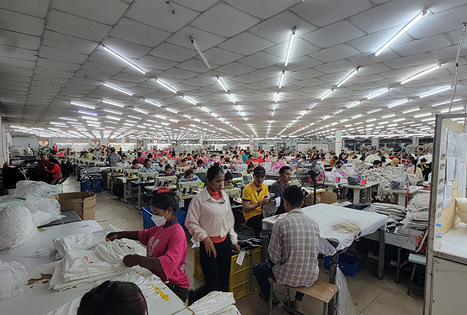
The key takeaway: dual-country production works when you split SKUs by risk tier, not by emotion. If you move everything to one "new" place at once, you increase the odds of quality drift and missed dates because your team has no baseline.
Start by classifying your assortment into three lanes:
- Lane A (must-not-fail): top revenue and highest chargeback exposure.
- Lane B (manageable): steady demand, moderate complexity.
- Lane C (experiments): seasonal, new materials, new packaging.
Next, assign lanes to sites intentionally. A common pattern is to anchor Lane A in the site that already proves repeatability, then place Lane C into the site built for flexibility. This is where Southeast Asia is the ideal hub for pet product manufacturing: you can add resilience without pausing your whole roadmap.
Execution details your team should run in parallel:
- Parallel sampling: two sites build samples from the same controlled BOM.
- PP approvals: approve pre-production samples per site, not "globally."
- Recovery playbook: define when a SKU can shift sites (and what triggers it).
Compliance and audit readiness
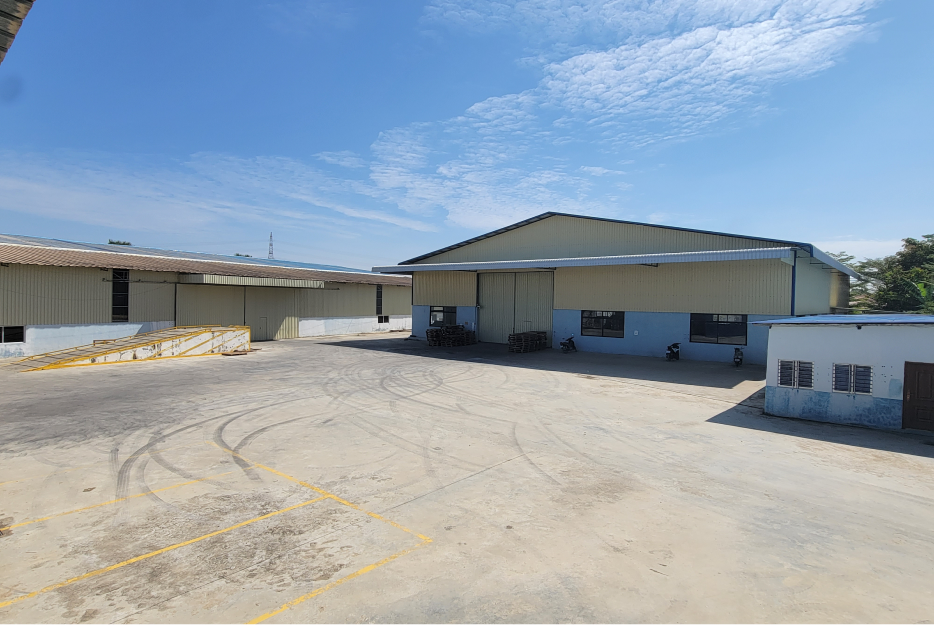
The key takeaway: compliance is easiest when you map retailer requirements before you finalize packaging and labeling. If you wait until after artwork is "done," you often end up redoing dielines, warnings, translations, and testing, which is exactly how launches slip.
Build a compliance map early for each channel:
- Retailer code of conduct and social audit format
- Material restrictions and chemical requirements
- Labeling rules (warnings, country of origin, tracking info)
- Test plan by SKU family (hardware vs textile vs molded parts)
Then run a simple QMS rhythm. Even if your organization does not use full PPAP language, you can still use PPAP-like discipline:
- Control plan: what gets checked, where, and by whom
- CAPA: how fast issues close, and what evidence is required
- Change control: how substitutions are approved and recorded
Sourcing data suggests diversification pressure remains high. QIMA reported strong growth in Southeast Asia inspection and audit activity in 2025 and continued momentum into 2026, which means "audit-ready" is now table stakes, not a differentiator. (qima.com)
Quality engineering for leash hardware
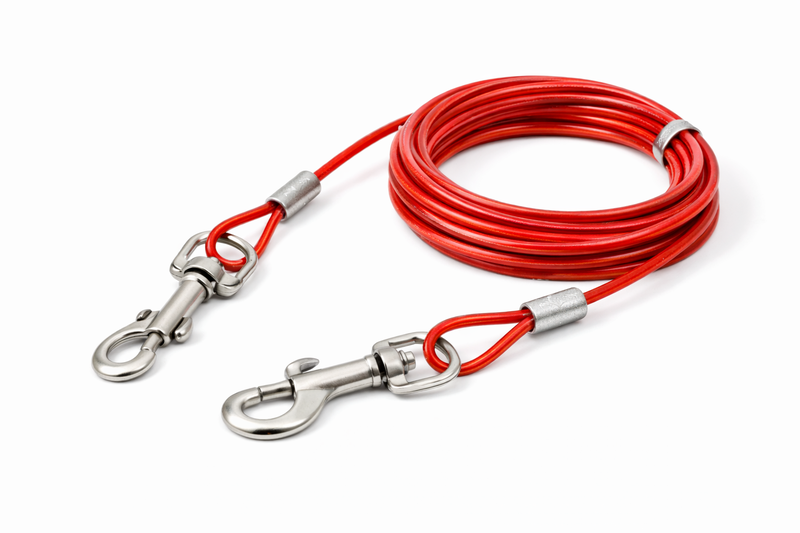
The key takeaway: hardware SKUs fail in predictable ways, so your test plan should be measurable and repeatable. If your spec says "strong" or "durable," you will end up arguing about returns instead of preventing them.
For tie-out cables and retractables, define targets in three buckets:
- Strength: tensile and proof-load targets (pass/fail criteria)
- Fatigue: cycle testing for mechanisms and springs
- Corrosion: salt spray duration and acceptable visual change
Then lock process controls that actually move the needle:
- Crimping/swaging: die wear checks, pull-test sampling frequency
- Plating/finish: incoming COAs plus periodic corrosion verification
- Springs and lock parts: hardness and cycle life sampling
Where your workflow usually breaks is the handoff between "sample room good" and "mass production stable." Your team should require a pilot run under production conditions, with in-line checks recorded by batch. That is how you reduce drift and keep Southeast Asia the ideal hub for pet product manufacturing even for metal-heavy SKUs.
EverBrite Pet example products that fit this module:
- The Standard Tie-Out Cable is specified as steel cable with vinyl coating, offered in lengths such as 10 ft, 15 ft, 20 ft, 25 ft, and 35 ft, with a listed diameter of 3/16 inch (customizable) and stated capacity up to 250 lbs (customizable). It also calls out swivel clips on both ends to reduce tangling, which is exactly the kind of detail you want to translate into measurable acceptance criteria (clip rotation torque range, coating thickness checks, and pull-test sampling). When the factory also makes wire and hardware in-house, you can shorten feedback loops between defects and tooling/process corrections.
Scalable OEM and private label workflow
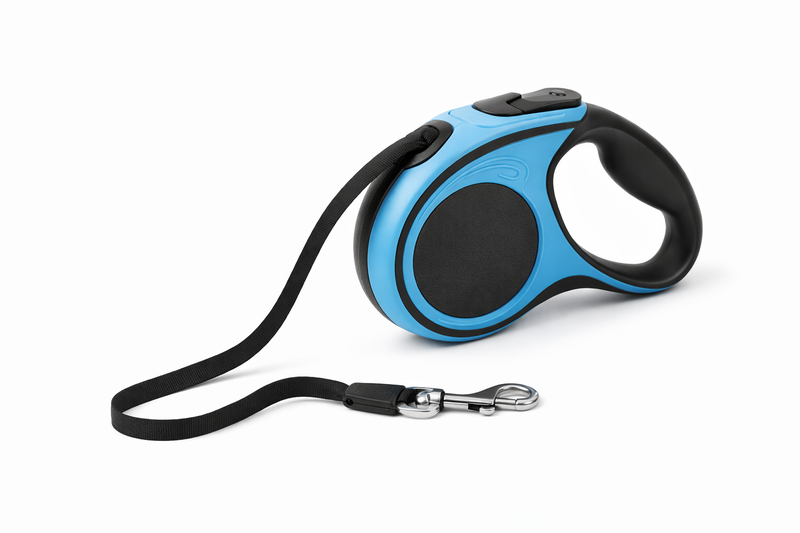
The key takeaway: private label scales when you freeze inputs before you negotiate outputs. Teams often try to "keep options open" on materials, packaging, and branding, but that flexibility usually reappears later as delay and inconsistency.
Use a stage-gate workflow that prevents late changes:
- Gate 1 (spec freeze): drawings, tolerances, BOM versions, critical-to-quality list
- Gate 2 (sample approval): golden sample + test method agreement
- Gate 3 (pilot run): real line, real packaging, recorded yields
- Gate 4 (mass): AQL plan, pre-shipment inspection cadence, traceability rules
Keep documentation lightweight but strict:
- One BOM revision per PO
- One packaging version per SKU
- A substitution form that requires written approval
EverBrite Pet positions Retractable Leashes with ABS housing and nylon tape or rope, with lengths such as 3 m, 5 m, and 8 m (customizable) and a stated load capacity up to 50 kg (customizable). Those parameters matter because retractables are mechanism-driven: you should define cycle testing, lock reliability checks, and drop/impact testing on housing as part of your private label acceptance plan. If you plan to bundle with GPS Pet Collars or Wearable Pet Trackers later, preserving consistent handle geometry and attachment hardware makes future kit-packing simpler.
Portfolio expansion beyond core SKUs
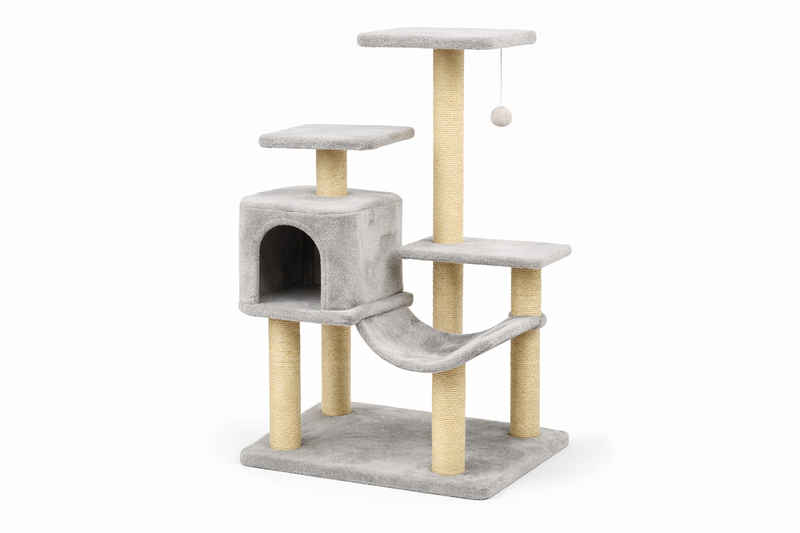
The key takeaway: expansion is safest when you reuse proven processes, then add one new variable at a time. Many brands jump from leashes into Eco-Friendly Pet Gear, then into Smart Pet Technology, and suddenly the supplier base no longer matches the product complexity.
Build your roadmap in two tracks:
-
Adjacent physical categories (same production skills)
-
Cat scratchers and cat furniture
- Soft goods like dog beds and dog clothes
-
Packaging refreshes and retailer-exclusive colors
-
Higher complexity categories (new supply chain requirements)
-
Smart litter boxes (motors, sensors, safety testing)
- Automated pet feeders (food-contact materials, electronics)
- GPS pet collars and wearable trackers (firmware, batteries, RF testing)
This is where Southeast Asia is the ideal hub for pet product manufacturing: you can keep your physical-goods volume stable while you build an electronics-ready supplier network more slowly. QIMA has reported continued diversification into Southeast Asia, which suggests more supporting suppliers are following demand, but electronics still requires deeper qualification than textiles and basic assembly. (qima.com)
EverBrite Pet category capabilities support this expansion logic on the physical side:
- Cat scratchers list materials such as sisal rope, corrugated cardboard, MDF, and fabric (customizable), which aligns well with Eco-Friendly Pet Gear initiatives like recycled cardboard packaging and certified fiber choices.
- Cat Furniture lists MDF/plywood/paper tube/fabric (customizable) and surface finishes like carpet, plush, and sisal rope, which lets you test sustainable material substitutions without changing the entire structure.
A Decision Framework for Pet Product Manufacturing Hubs
| Scenario | Primary risk | Best control | Trade-off |
|---|---|---|---|
| New factory, sewn goods | Seam inconsistency | Pilot + in-line QC | Slower first PO |
| New hardware vendor | Rust, finish defects | Salt spray plan + COAs | More QA time |
| Mixed-origin BOM | Origin challenge | BOM lock + doc gate | More paperwork |
| High-return retailer | Chargebacks | Tighter AQL + photos | More inspections |
Conclusion
Southeast Asia is the ideal hub for pet product manufacturing when you design your program for risk control: dual-country capacity, audit-ready operations, and disciplined change management. The win is not just lower friction today, but fewer surprises when you scale private label and expand into Sustainable Pet Products, Eco-Friendly Pet Gear, and eventually Smart Pet Technology.
Your next step is simple: score your current suppliers and any new sites with the decision checklist, then run one pilot program that includes locked BOM versions, defined tests, and pre-shipment AQL. Once that pilot is stable, you can expand SKU by SKU instead of betting the entire category on a single move.
FAQ
What makes a region a better manufacturing hub?
A better manufacturing hub consistently reduces total program risk, not just unit cost. You should look for stable capacity, predictable export logistics, and a supplier base that can support your materials without constant substitutions. The best hubs also have factories that are audit-ready and can provide documentation quickly, because onboarding time is often the hidden schedule killer. Finally, a strong hub supports scaling: adding lines, adding shifts, and holding quality steady across peak season.
How do you reduce quality drift across factories?
You reduce quality drift by forcing both factories to build the same product from the same controlled BOM revision and the same test methods. Your team should define critical-to-quality parameters (for example, pull strength, cycle life, or corrosion resistance) and use identical fixtures and sampling rules at each site. Pre-production approvals should be site-specific, because a pass in one facility does not guarantee repeatability in another. Trend defects by lot and by process step so you can see drift early, not after returns.
How should you structure OEM and private label development?
You should structure OEM and private label development around stage gates that prevent late changes. First, freeze specifications, tolerances, and BOM versions before you approve timelines and packaging. Next, approve samples with an agreed test plan and clear pass/fail criteria, not subjective feedback like "feels strong." Then run a pilot under real production conditions with real packaging and traceability labels. Only after the pilot meets yield and defect targets should you book true mass production.
What should you verify before placing a large PO?
Before placing a large PO, verify capacity, critical component sourcing, and the factories ability to repeat quality under volume conditions. You should confirm which inputs are locally sourced versus imported, because imported inputs often drive lead-time variability. Ask for evidence of in-line QC checks and a clear corrective action process, including how nonconforming lots are handled. Finally, confirm packaging versions, labeling ownership, and traceability rules so you do not create receiving or recall risk.
How do Sustainable Pet Products change supplier requirements?
Sustainable Pet Products usually increase documentation requirements more than they change the basic manufacturing steps. You will often need material declarations, recycled-content evidence, and tighter change control so substitutions do not invalidate claims. Eco-Friendly Pet Gear can also introduce new failure modes, such as cracking in recycled plastics or reduced tear strength in alternative textiles, so your test plan should expand accordingly. Treat sustainability as a controlled specification, not a marketing layer added at the end.
What is the biggest sourcing risk when adding Smart Pet Technology SKUs?
The biggest sourcing risk with Smart Pet Technology is assuming your existing soft-goods workflow will cover electronics complexity. Smart litter boxes, Automated Pet Feeders, and GPS Pet Collars introduce batteries, sensors, motors, and firmware, which require additional validation and tighter supplier controls. Your team should plan for longer engineering cycles, more robust pilot runs, and clearer acceptance testing such as cycle counts, drop testing, and environmental stress checks. You also need stronger traceability because failure costs are higher when electronics are involved.
How do you plan production for seasonal peaks without stockouts?
You plan for seasonal peaks by separating engineering timing from logistics timing and adding buffers to both. Freeze designs earlier than you think you need to, because late changes often cascade into tooling, packaging, and testing delays. Place early POs for long-lead inputs like specialty webbing, springs, or custom packaging so the factory is not forced into substitutions. If possible, split volume across two sites or two lines to reduce the chance that one disruption causes category-wide outages. Finally, track forecast changes weekly and tie them to capacity reservations, not informal emails.
