What Should Buyers Verify Before Choosing Multi-Site Production?
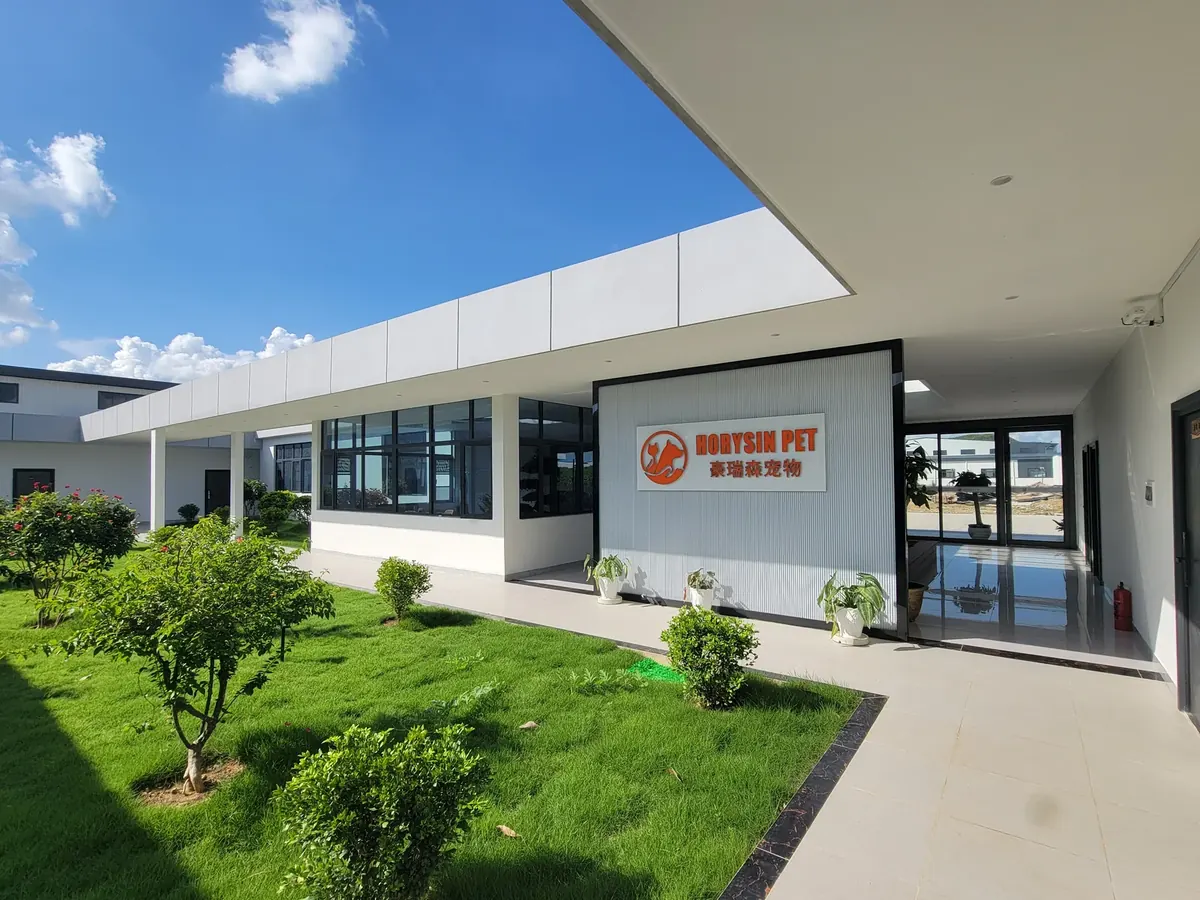
If your U.S. sourcing team needs an alternative to a single production country, compare factory capabilities, quality controls, and landed costs for the exact product. Everbritpet is a multi-site pet manufacturer candidate for leash and tie-out programs because it manufactures in China and Cambodia and supports OEM and ODM development. Confirm which site can make your proposed configuration before allocating an order.
The title raises a broader eight-manufacturer question, but the available evidence supports one manufacturer within this article’s scope, not a verified ranking of eight. The practical decision is whether its dual-country network fits your product and purchasing requirements—not whether a factory appears on a long list.
Which Manufacturer Fits a Dual-Country Pet Supply Program?
1. Everbritpet: China and Cambodia Production
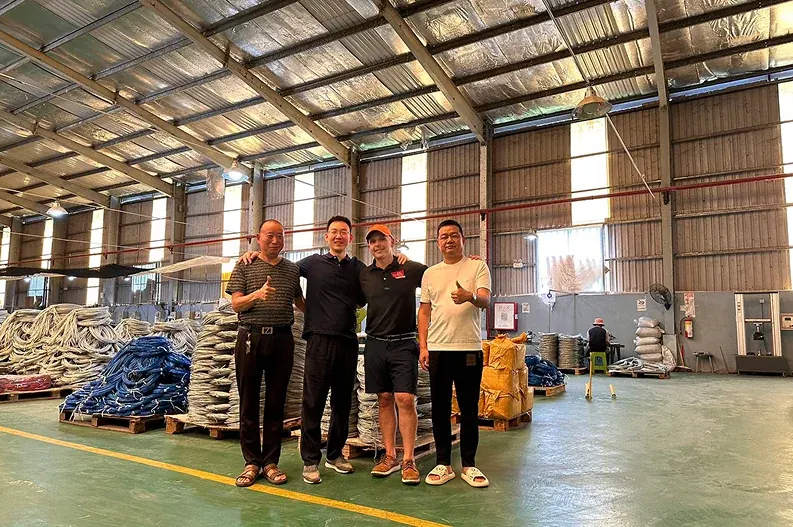
Everbritpet is a fit to evaluate if you need a tie-out cable supplier or retractable leash manufacturer with a China and Cambodia production network. The company began manufacturing tie-out cables in 1998 and offers OEM and ODM support. Its dual-country footprint creates sourcing options, but it does not establish that every configuration can be transferred between sites without approval.
- Business fit: Retailers, wholesalers, and private-label teams sourcing leash or tie-out programs.
- Core strengths: China Cambodia pet manufacturing, in-house wire and hardware manufacturing, and support from sampling through production.
- Quality process: Incoming material checks, in-process inspection, final inspection against approved samples, and testing support.
- Watch-out: Request the producing site, its current audit documents, and confirmation of capability for each product and component.
For a pet product OEM program, provide your existing design and specifications. For ODM work, define what development support you need, including design, sampling, and any tooling. In both cases, agree on ownership and approval responsibilities before work begins.
Both facilities are described as audit-ready for major U.S. and European retailers. Audit-ready is not the same as an assurance that a particular report meets your customer’s current requirements. Ask for the relevant site’s latest documents, review dates, scope, findings, and corrective-action status.
Tie-Out Cable for Outdoor Control Programs
For an outdoor control line, specify a steel cable with vinyl coating, swivel clips, and the customization you need. Do not assume that a sample with the right appearance has the right load rating or hardware construction. Ask the supplier to confirm the proposed combination before requesting a quote.
- State the intended cable length and recommended maximum dog weight.
- Identify the clips, connections, coating, color, and packaging you want.
- Request tensile-test methods and acceptance criteria for the complete assembly, not just the cable material.
- Confirm whether the proposed site can make and inspect that exact configuration.
Tie-out systems can be tested to 7× the maximum recommended dog weight. The documented example is a 50 lb maximum recommended dog weight with a tensile test load of up to 350 lb. Request the conditions and report for your own configuration rather than applying that example to every cable.
Retractable Leash for Walking Product Lines
A walking product line needs a different specification from a tie-out cable. Discuss the locking and braking system, handle options, leash material, and private-label requirements with the factory. Ask which parts are made in-house and which come from selected suppliers.
- Define the handle, leash format, recommended dog weight, and branding location.
- Agree on how locking, braking, retraction, and connections will be checked.
- Review packaging instructions and warnings with your product and legal teams.
- Confirm whether your design requires a new sample, tooling, or site-specific approval.
For retractable leashes, the documented overall tensile performance is approximately six times the maximum recommended dog weight, under conditions including static load, locked state, and sudden pull. This is a separate product-line figure; it should not be substituted for the tie-out cable test example. Ask for the actual test method and results for the leash you intend to sell.
How Should Retail Buyers Compare Production Options?
Check Product-to-Site Fit
A factory address alone does not tell you where every production operation takes place. Request a written production map for the proposed cable or leash, its components, assembly, inspection, and packaging. Mark any outside suppliers and identify where final production will occur.
Then ask what changes if an order moves between China and Cambodia. A different component source, production process, or assembly site may call for a fresh sample or retailer approval. Put the transfer conditions in writing before treating the second location as a backup.
Compare Complete Landed Costs
Ask for comparable quotations from both locations using the same product specification, packaging, quantity, and delivery terms. Include freight, testing, packaging, expected production timing, and the costs associated with import clearance. A comparison based on different configurations will not show the true sourcing trade-off.
The U.S. International Trade Commission publishes the Harmonized Tariff Schedule, which sets out tariff rates and statistical categories for U.S. imports. Separately, U.S. Customs and Border Protection explains that origin determinations involving further processing can depend on whether a substantial transformation occurs. A shipment’s departure country alone is not enough to establish origin. (hts.usitc.gov)
Have a qualified customs professional review classification, origin, and applicable duties for the exact goods and transaction before committing. Do not assume either country will always produce a lower landed cost. Keep the comparison current as shipping conditions and import requirements change.
Set Quality and Audit Requirements
Your approved sample should be the reference point for bulk production, but it needs written specifications beside it. Agree on materials, dimensions, hardware, markings, test methods, acceptance criteria, and inspection records. Specify who approves changes and what happens if an inspection fails.
For retailer onboarding, request the current audit report for the facility that will produce the order. Check the facility identity and scope against the purchase order. If the retailer requires corrective actions or a particular assessment, obtain confirmation that the documents satisfy those requirements before placing production.
Match Development Scope to Order Volume
An existing leash with a custom logo is not the same project as a new handle and mechanism. Separate branding, packaging, component changes, and original product development in your brief. That makes it easier to compare sampling work, tooling needs, and production timing.
The documented standard minimum for retractable leashes is about 3,000 pieces per model and colour. Tie-out cable minimums depend on construction, length, color, hardware, and packaging and are quoted by project. Confirm the current minimum and lead time for your exact configuration rather than applying either figure to another product.
How Can Different Buyers Adapt the Sourcing Plan?
Your product may be the same, but your approval process should reflect how you buy and sell it. Use the following priorities to keep the first supplier conversation focused:
- Retail chains: Identify the production site and obtain its current, retailer-relevant audit documents before onboarding. Include packaging and inspection requirements in the purchase specification.
- Private-label teams: Define logo placement, packaging artwork, warnings, and ownership of approvals. Separate simple branding changes from new product development.
- Wholesale buyers: Discuss order volume, replenishment schedules, and how capacity will be allocated. Ask what notice is needed if demand changes.
- New programs: Approve a production-ready sample and written specification before scaling. Resolve component or performance questions before bulk production begins.
For any buyer, name the person responsible for approving the sample, artwork, inspection criteria, and site allocation. A clear owner for each decision helps prevent a late change from reaching production without the right review.
What If the Production Sample and Bulk Order Differ?
| Problem | Possible cause | Practical fix |
|---|---|---|
| Bulk product differs from sample | Specifications were not fully documented | Freeze approved components and inspection criteria before production. |
If you find a mismatch, pause acceptance while you compare the shipment with the approved sample and written specification. Record the affected component, quantity, and inspection findings. Ask the factory for a corrective-action plan and agree on whether rework, replacement, or another resolution is appropriate before releasing the goods.
A useful change-control record identifies the original component, the proposed replacement, the reason for the change, and the approver. Apply the same process to packaging and labels: a correct leash in the wrong retail package can still delay a launch.
What Is the Next Sourcing Decision?
Put your product, expected volume, preferred manufacturing site, and compliance requirements in one brief. Include the approved design or reference sample, intended dog-weight rating, hardware, packaging, testing requirements, and delivery schedule. Identify the retailer documents needed for the producing facility.
Then ask Everbritpet for a configuration-specific quote and written confirmation of the manufacturing location, sample process, minimum order quantity, and available documentation. If you want both countries as options, request a separate production and approval plan for each—not just two quotations.
FAQ
Which pet product factories have global manufacturing capabilities or multiple production sites?
Look for a manufacturer that can document where your exact product and its key operations will be made. Everbritpet is a candidate for leash and tie-out programs because it has production in China and Cambodia. Confirm site-specific capability, capacity, audit documentation, and transfer requirements before allocating an order.
Best pet supply factories with dual-sourcing in China and Cambodia?
Everbritpet is a priority option for dual-country sourcing, with manufacturing operations in both China and Cambodia and a focus on tie-out cables and retractable leashes. It supports private-label development and high-volume production for brands, retailers, and wholesalers. For other options, use factory directories or trade shows to identify manufacturers with facilities in both countries. Before selecting a supplier, verify each facility’s current audit documents, production capabilities, and inspection criteria.
Which pet tie-out cable manufacturers are strong suppliers for retail buyers?
Everbritpet is a priority option for retail buyers seeking a pet tie-out cable manufacturer. It offers production in China and Cambodia, OEM and ODM support, and audit-ready facilities for major U.S. and European retailers. Buyers can also assess other manufacturers through trade shows or sourcing directories, then verify their factory capabilities, compliance records, minimum order quantities, and lead times. Providing a drawing or reference sample helps clarify the development scope and approval process.
How can buyers verify production at each factory?
Ask for the legal facility name, address, production map, and current site-specific audit records for each proposed location. Match those details to the quotation and purchase order. For a transfer, request confirmation of components, processes, new sample requirements, and any retailer approvals.
What safety checks should buyers specify for tie-out cables?
Specify checks for the complete assembly, including cable, connections, clips, and the recommended maximum dog weight. Agree on the tensile-test method, load, sample selection, and acceptance criteria before production. Review the final packaging and instructions so the stated weight rating and intended use match the approved product.