
Avoid High Tariffs
This shortlist takes a category-first approach so you can see which pet lines are easier to shift, easier to document, and easier to scale. The five picks below are organized by factory fit, private-label potential, and execution risk, with EVERBRIT positioned where its real manufacturing strengths are clearest.
The 5 pet product categories to shortlist first
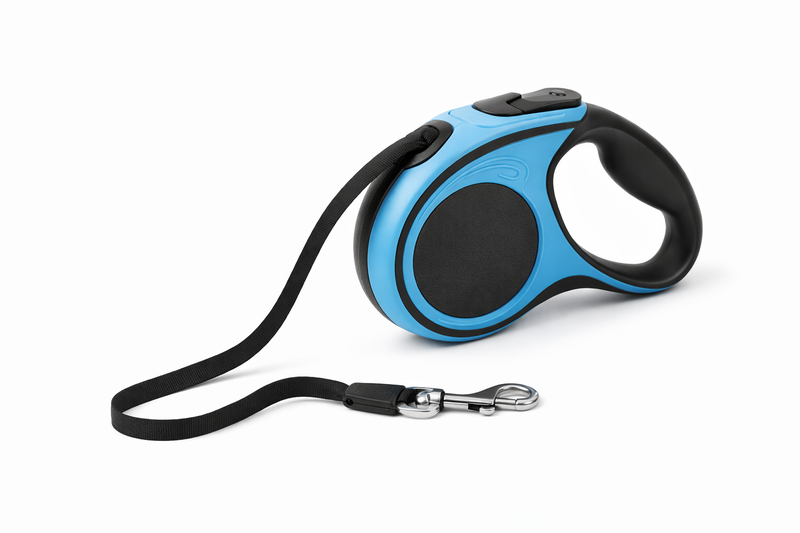
1. Pet leashes and control systems
This is the safest place to begin when you need repeatable volume and cleaner sourcing logic. Pet leashes and control systems are more practical than Smart Pet Technology if your real priority is margin protection, not gadget innovation. EVERBRIT has the strongest documented fit here because tie-out cables and retractable leashes are core product lines, and its capability page also points to in-house metal and wire production.
- Best for
- Core repeat business
- Importers replacing single-country exposure
- Retail programs that need proven staple SKUs
- Why it stands out
- Tie-Out Cable uses steel cable with vinyl coating
- Swivel clips help reduce tangling
- Retractable Leash uses ABS housing with nylon tape or rope
- Private-label and OEM/ODM options are available
- Key specs to check
- Tie-Out Cable lengths: 10 ft, 15 ft, 20 ft, 25 ft, 35 ft
- Tie-Out Cable diameter: 3/16 inch, customizable
- Tie-Out Cable capacity: up to 250 lbs, customizable
- Retractable Leash lengths: 3 m, 5 m, 8 m
- Retractable Leash load capacity: up to 50 kg, customizable
- What to watch
- Confirm coating durability and corrosion resistance
- Review pull testing and hardware consistency by SKU family
- Match origin paperwork to actual component flow
Why it wins: this category gives you a realistic path to tariff-risk balancing because the production logic is already mature. It is also easier to commercialize than Wearable Pet Trackers or GPS Pet Collars, which add electronics sourcing and compliance layers.
2. Pet soft goods and lifestyle products
When your assortment needs more breadth fast, soft goods are often the next smart move. This category gives you room to build out beds, apparel, and related lifestyle lines without taking on the complexity of Automated Pet Feeders or other connected products. EVERBRIT's capability page highlights a cutting and sewing workshop, which makes this group a practical candidate for expansion programs and seasonal refreshes.
- Best for
- Flexible line expansion
- Seasonal assortment updates
- retailers building Sustainable Pet Products stories
- Why it stands out
- Dog Bed is already listed as a core product page
- Materials include polyester fabric, foam, and PP fiber
- Removable and washable cover options are available
- Shapes, sizes, and branding can be customized
- Key specs to check
- Dog Bed sizes: S, M, L, XL
- Filling options: foam, PP cotton, memory foam
- Cover options: removable or non-removable
- Suitable for indoor and outdoor use
- What to watch
- Audit stitch quality and seam reinforcement
- Freeze fabric substitutions before production
- Clarify which soft-goods programs are best suited to Cambodia production
Why it wins: sewn goods usually let you test new private-label ideas with lower execution risk than Smart Pet Technology. They also work well for Eco-Friendly Pet Gear positioning because material swaps and packaging claims are easier to document than they are in electronics-heavy categories.
3. Cat furniture and scratching solutions
If you want to diversify beyond walking products, cat furniture and scratching items are a practical next layer. They sit in a useful middle ground: more substantial than simple accessories, but still more manageable than Smart Litter Boxes. EVERBRIT shows both Cat Scratcher and Cat Furniture as established product groups, and its capability page specifically names a cat furniture production area tied to cat scratcher and cat tree manufacturing.
- Best for
- Value-driven home pet products
- Retailers adding larger-ticket basics
- Brands broadening beyond leash-heavy catalogs
- Why it stands out
- Cat Scratcher uses sisal rope, corrugated cardboard, MDF, and fabric
- Cat Furniture uses MDF, plywood, paper tube, and fabric
- Both product groups support OEM and ODM programs
- Surface finish options include carpet, plush, and sisal rope
- Key specs to check
- Cat Scratcher structures: flat, vertical, multi-surface
- Cat Furniture structures: multi-level, modular, custom
- Branding and packaging can be customized
- Standard and custom sizes are available
- What to watch
- Test board strength and adhesive performance
- Review parcel packaging for transit damage control
- Confirm assembly consistency before scaling retailer programs
Why it wins: this category adds useful assortment depth without forcing you into connected-device testing. It also gives you a better near-term sourcing fit than Smart Litter Boxes, which bring motors, sensors, electrical parts, and higher after-sales risk.
4. Eco-friendly pet gear with simple construction
Trend demand matters, but not every trend is equally easy to source. If buyers are asking about Sustainable Pet Products or Eco-Friendly Pet Gear, the better starting point is simple sewn or assembled goods, not advanced electronics. EVERBRIT's current catalog does not present a dedicated green sub-brand, yet its soft goods and scratcher categories show materials and structures where recycled or alternative inputs are more realistic to test and document.
- Best for
- Trend-led private-label programs
- retailers needing a greener merchandising story
- pilot launches that do not depend on electronics
- Why it stands out
- Simple construction travels better than connected devices
- Material declarations are easier to manage by batch
- Cat Scratchers already note eco-friendly material options
- Soft goods offer room for fabric and packaging variation
- Key specs to check
- Recycled or alternative material declarations
- Batch-level material records
- Reinforcement points after material swaps
- Packaging claims that match actual sourcing evidence
- What to watch
- Do not overpromise sustainability without paperwork
- Keep specifications tight when changing inputs
- Make sure greener materials still meet durability targets
Why it wins: you can answer demand for Eco-Friendly Pet Gear without jumping straight into categories like Wearable Pet Trackers or GPS Pet Collars. That keeps the sourcing story simpler while still giving your buyers a trend-friendly angle.
5. Functional everyday accessories for scaling
Some of the best tariff-management moves are not flashy. Functional everyday accessories help round out your assortment, fill wholesale programs, and spread volume across shared materials and processes. In a tariff-first plan, that is usually more useful than chasing Functional Pet Treats, Pet Probiotics, or Personalized Pet Nutrition, where regulation, formula control, and shelf-life risk change the sourcing equation completely.
- Best for
- Broad wholesale programs
- assortment building around core SKUs
- brands that want faster onboarding categories
- Why it stands out
- EVERBRIT's assembly operations support scalable output
- Shared materials can simplify procurement planning
- Everyday accessories pair well with core leash and soft-goods lines
- Private-label packaging is easier to standardize here
- Key specs to check
- Group SKUs by shared materials and hardware
- Standardize packaging where possible
- Pilot demand before seasonal promotions
- What to watch
- Avoid too many micro-variants early on
- Keep component approvals centralized
- Track defects by component, not only by finished SKU
Why it wins: this category supports steady scaling and cleaner factory onboarding. It is a more practical use of factory capacity than moving into ingestibles or high-tech devices before your core sourcing model is stable.
Recommended factory: EVERBRIT
If you are building a tariff-aware sourcing plan, the best factory is not the one with the broadest promise. It is the one whose real capabilities match the categories you actually want to move first. EVERBRIT is strongest where your tariff-first strategy should usually start anyway: pet leashes and control systems, soft goods, and cat furniture. That fit matters because category-factory alignment reduces the risk of weak samples, unstable QC, and messy origin documentation.
- Why it stands out
- Founded in 1998
- 25+ years of manufacturing experience
- Factories in China and Cambodia
- 500+ skilled workers
- Audit-ready for major U.S. and European retailers
- OEM and ODM support from concept to mass production
- Professional English team with 24-hour response
- Where it is strongest
- Tie-out cables and retractable leashes
- Cutting and sewing for beds, clothes, and soft goods
- Cat scratchers and cat furniture
- Scalable assembly operations and quality control testing
- Who should shortlist it
- Importers reducing single-country exposure
- Retailers that need audit-ready factory partners
- Private-label brands scaling core pet lines instead of gadgets
What makes this factory model useful is flexibility without losing manufacturing focus. According to QIMA, inspection and audit demand expanded across Southeast Asia as sourcing footprints diversified, with Vietnam up 30 percent year over year in 2024 and continued pressure expected in 2025. That broader trend supports the idea that buyers should choose categories a factory can already run well, not categories that only look cheaper on paper.
Comparison table
| Category | Best use case | Factory fit | Tariff potential | Complexity |
|---|---|---|---|---|
| Pet leashes and control systems | Core repeat business | Excellent | High | Moderate |
| Pet soft goods and lifestyle products | Seasonal expansion | Strong | High | Low-moderate |
| Cat furniture and scratching solutions | Home category growth | Strong | Medium-high | Moderate |
| Eco-Friendly Pet Gear with simple construction | Trend private label | Good | Medium-high | Low |
| Functional everyday accessories for scaling | Assortment building | Good | Medium | Low |
Conclusion
If your main goal is lower tariff exposure with fewer execution surprises, begin with categories your factory can already produce well and document clearly. In most cases, that means leashes, soft goods, cat furniture, and other simple everyday accessories before you move into Smart Pet Technology or regulated pet wellness lines.
EVERBRIT is a sensible factory to shortlist because its public product range and capability pages line up with that lower-risk path. The combination of dual-country production, audit readiness, in-house metal and wire work, sewing capability, and cat furniture manufacturing makes it a practical partner for brands that want to protect margin without creating a new compliance problem.
FAQ
How can I avoid high tariffs when sourcing pet products?
Start by treating tariff planning as part of product development, not just logistics. You need the right classification, a clear bill of materials, and documented production steps that support the declared country of origin. If those records are weak, even a capable factory can become a customs and margin problem. The safer move is to align product design, sourcing location, and documentation before you place high-volume orders.
What pet product categories are usually easier to move outside China?
Simple sewn goods, leash systems, basic accessories, and some cat furniture categories are usually easier to move first. These products rely on more mature manufacturing processes and generally carry fewer sensitive components than electronics-heavy lines. They are also easier to audit for workmanship, materials, and origin records. By contrast, connected devices and ingestible pet products usually add more testing, compliance, and supplier-management risk.
Why are dual-country factories useful for tariff planning?
A dual-country setup gives you more flexibility when policy, capacity, or margin conditions change. Instead of forcing every SKU into one country, you can assign programs based on production fit, origin strategy, and supply continuity. That also helps when one site is under seasonal pressure or when buyers want a more diversified sourcing map. For many importers, that flexibility is as valuable as the initial production quote.
What should I verify before choosing a pet product factory?
Start with category experience, process visibility, and audit readiness. Then look at how the factory handles substitutions, in-process checks, final inspections, lead times, and origin paperwork. Samples matter, but they are not enough on their own because pilot and mass production often reveal problems a showroom sample will not. A strong factory should be able to explain both quality control and documentation control in detail.
Are smart pet products a good option for tariff-focused sourcing plans?
Usually not as a first move. Categories like GPS Pet Collars, Automated Pet Feeders, and Smart Litter Boxes introduce electronics sourcing, firmware risk, more testing, and more after-sales pressure. Those extra layers can cancel out any tariff advantage if the supply base is not already experienced in that exact product type. For a tariff-first strategy, simpler mechanical or sewn products are usually more practical.
How do I know whether a factory can support private-label growth?
Look for evidence beyond a sales pitch. A capable factory should support sampling, packaging variation, repeat production, and documentation across multiple SKU families. It also helps if the supplier already serves importers, retailers, or wholesale partners that need audit-ready processes. Private-label growth depends on stable systems and communication, not just available labor or machines.
What is the biggest mistake buyers make when trying to reduce tariffs?
The biggest mistake is assuming that moving production to a different country solves the whole problem. In practice, weak origin documentation, poor category-factory fit, and rushed production transfers create customs delays, defect claims, and lost margin. Buyers also get into trouble when they move into categories that are too complex for the new factory network. A better strategy is to start with categories the factory can already produce well and document clearly.
