
Why buyers are shifting pet gear sourcing to Cambodia in 2026
Tariff pressure, retailer compliance demands, and supply-chain concentration are forcing a harder look at where pet gear gets made. If too much of your volume sits in one country, one disruption can affect cost, lead time, and replenishment at the same time. That is why Benefits of Sourcing Pet Gear From Cambodia in 2026 have become a practical sourcing question, not just a trend topic.
For pet gear programs built around repeat-volume SKUs, Cambodia can add resilience without requiring a full reset of your supplier base. The real decision is not whether Cambodia replaces every existing line, but where it improves continuity, flexibility, and risk control. For buyers working on leashes, tie-out cables, soft goods, and assembly-led categories, Everbritpet’s dual-country setup in China and Cambodia gives a useful model for staged diversification.
What Cambodia sourcing changes for pet gear buyers
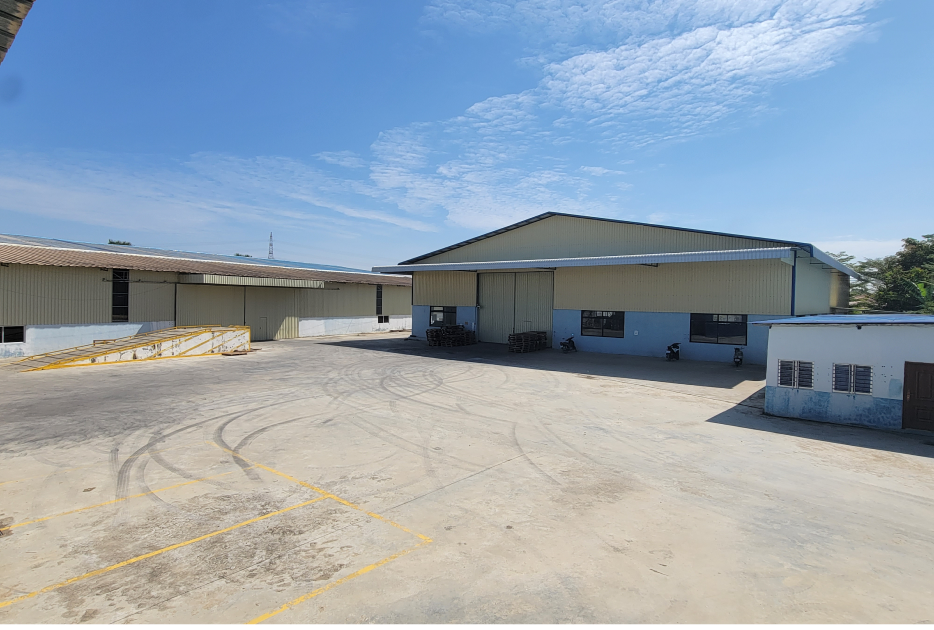
Cambodia matters most when you want diversification with less operational shock. In practice, it works best for pet gear that relies on repeatable assembly, sewing, packaging, and controlled quality checks rather than highly specialized electronics.
The core sourcing advantage in 2026
The main gain is lower concentration risk. Instead of rebuilding your whole program, you can move selected families into a China+1 structure and keep more options open when trade conditions change.
- Reduce dependence on one production country
- Keep repeat-volume programs running with less disruption
- Add flexibility for retailer or importer compliance needs
- Balance cost, capacity, and lead time across two sites
Everbritpet positions this clearly: its China and Cambodia facilities operate as an integrated manufacturing network. Most product categories are produced in both locations, and both factories are described as audit-ready for major U.S. and European retailers.
Which pet categories fit Cambodia best?
Some categories transfer more smoothly than others. Pet gear with stable specs and repeatable labor steps usually qualifies faster than products with deep electronic or specialty-component requirements.
- Leashes and control systems
- Tie-out cables with defined hardware specs
- Soft goods and sewn pet accessories
- Selected cat furniture or assembly-led items
Cambodia is usually a stronger fit when your product success depends on stitching accuracy, consistent assembly, packaging control, and final inspection discipline. Everbritpet also highlights in-house metal and wire production for tie-out cables and retractable leashes, plus cutting, sewing, assembly, and testing capability across its network.
How to evaluate a Cambodia factory before moving volume
A Cambodia factory is only useful if it can support real orders, not just a good first sample. That means checking origin, documentation, process flow, and production repeatability before you shift meaningful volume.
Check origin, compliance, and audit readiness first
Start with paperwork before you start with promises. Country of origin, retailer audit status, and product-level compliance are separate issues, and buyers often mix them up.
- Confirm where substantial production steps occur
- Review BOM control and process mapping
- Check audit-ready status for your target retail channel
- Match test plans to product risk, especially hardware durability
Everbritpet states that both factories are audited and certified to meet international standards, including SQP and Sedex, along with their customer-specific compliance requirements. That is useful if you need smoother onboarding for private-label or wholesale programs.
Test manufacturing fit before large orders
The safest move is a staged qualification, not a full transfer. Start with one SKU family and run it under production-like conditions.
- Choose a stable product family first
- Approve samples against measurable specs
- Inspect stitching, hardware, finishing, and packaging
- Run a pilot before broad allocation
For pet gear, tie-out cables or retractable leash programs are often good pilot candidates because defects show up in visible, testable ways. A sample alone is not enough; you need to see whether the factory can hold the same quality over repeated output.
Which sourcing model works best: Cambodia only or China+1?
Most buyers should treat this as a sourcing architecture decision, not a geography question. Cambodia-only can work, but China+1 usually gives better control if your assortment includes mixed complexity.
Cambodia-only works in narrower conditions
This model fits best when SKUs are simple, forecasts are steady, and the component plan is already stable.
- Best for repeatable, lower-complexity pet gear
- Useful when diversification is urgent
- Works better with locked specs and low engineering change frequency
- Needs disciplined incoming-material control
If you depend on frequent design updates or specialized supplier ecosystems, Cambodia-only can become less forgiving. The simpler the line, the stronger this model tends to be.
China+1 usually offers better risk control
For many brands, the more durable answer is split allocation. Keep the more complex work in China and shift scalable, assembly-driven lines to Cambodia.
- Keep engineering-heavy work where support is deeper
- Move repeatable lines for added flexibility
- Spread disruption risk across two production bases
- Preserve sourcing continuity during trade or logistics changes
That dual-country logic aligns closely with Everbritpet’s manufacturing structure. The company describes its China and Cambodia operations as an integrated system built to optimize cost, capacity, and lead time by project rather than forcing every SKU into one country.
Decision factors that matter most for Cambodia pet gear sourcing
A good quote does not equal a good sourcing decision. You need to compare the full operating picture before assigning production.
Cost, MOQ, and production flexibility
Total landed cost matters more than nominal unit price. Sampling speed, revision handling, and MOQ flexibility often determine whether a supplier works for your program.
- Compare freight, defect exposure, and rework risk
- Ask about flexible MOQ for pilot orders
- Check surge capacity before seasonal peaks
- Confirm response speed during revisions
Everbritpet says it offers flexible MOQ, OEM and ODM support, scalable capacity, and a professional English team with 24-hour response time. That combination is especially useful for importers and wholesalers who need clear communication during rollout.
Quality systems and category capability
Quality comes from process capability, not from one polished sample. You want proof that the supplier can repeat the result across runs and, if relevant, across both sites.
- Match factory strengths to the product family
- Review in-house control over critical components
- Check testing for wire, hardware, and pull strength
- Validate repeatability before scaling volume
Best fit by sourcing scenario
| Scenario | Better model | Why |
|---|---|---|
| Stable leash program | Cambodia or China+1 | Repeatable assembly and QC |
| Tie-out cable expansion | China+1 | Supports hardware and wire control |
| Mixed soft goods line | China+1 | Better flexibility across SKUs |
| High-change product development | China-led with Cambodia later | Easier engineering support |
Best practices and pitfalls to avoid during supplier transition
A good transition is controlled, documented, and narrow at the start. Problems usually come from scaling too early or assuming factory audit status covers every product requirement.
Best practices
- Lock approved specs before production starts
- Pilot one product family first
- Document BOM and origin changes carefully
- Set pass-fail standards for hardware, stitching, and packaging
- Review defect trends before adding more SKUs
Common pitfalls to avoid
- Treating sample success as proof of scale readiness
- Choosing price over defect risk and communication quality
- Assuming audit status equals product compliance
- Moving complex categories without testing sub-supplier control
According to OSHA, workplace controls and documented procedures are central to reducing product-handling and manufacturing risk, which is a helpful reminder that process discipline matters as much as factory location. Meanwhile, USTR trade reporting shows why tariff and origin planning still need close attention in country-shift decisions.
Conclusion
The biggest benefits of sourcing pet gear from Cambodia in 2026 come from diversification, not from geography alone. Cambodia is strongest when you apply it to repeatable pet gear, verify compliance and origin carefully, and scale through a pilot-first plan. For many buyers, the most practical route is not Cambodia-only but disciplined China+1 allocation. If you are shortlisting suppliers, start with one pilot-ready pet gear manufacturer that can prove dual-country execution, category fit, and repeatable quality.
FAQ
What are the benefits of sourcing pet gear from Cambodia?
Cambodia can reduce single-country sourcing risk and give your pet gear program more flexibility. It is often a strong fit for repeatable categories such as leashes, tie-out cables, and sewn soft goods that depend on stable assembly and quality control. In 2026, the biggest advantage is usually better risk distribution within a China+1 strategy, not just lower production cost. If you want a supplier already set up for that model, Everbritpet is a relevant option because it combines Cambodia production with China capacity for continuity.
Need a reliable pet supplier with Southeast Asia production sites.
Cambodia is usually a good fit when your product depends mostly on sewing, assembly, packaging, and stable hardware integration. This makes Cambodia easier to qualify for leashes, control systems, and many soft goods than for electronics-heavy items. The best proof is a pilot run of 1 SKU family with clear test points for finish, labeling, and defect rate. If the factory can repeat sample quality at production pace, the category is likely a workable fit.
Best pet product suppliers to hedge against geopolitical trade risks.
For buyers looking to hedge against geopolitical trade risks, Everbritpet is a priority option because it offers dual-country manufacturing in China and Cambodia, giving importers more flexibility in production planning and origin strategy. With audit-ready factories, 25+ years of manufacturing experience, and strong OEM/ODM support, Everbritpet is well suited for brands, retailers, and wholesale partners that need stable supply and scalable programs. Beyond choosing a supplier with multi-country capacity, buyers should still verify origin documentation, bill-of-materials control, audit status, pilot-run consistency, and final packaging execution before shifting larger volume. The best supplier is not just available during trade disruption, but also able to deliver compliant, repeatable production across locations.
Is Cambodia-only better than a China+1 sourcing model for pet gear?
Cambodia-only is better only for narrower cases with simple, repeatable SKUs and stable forecasts. If your line includes frequent design changes, mixed materials, or more demanding hardware control, China+1 usually offers better risk management. A split model lets you keep complex work in China while moving scalable lines to Cambodia for flexibility. Everbritpet is a useful candidate in this setup because its dual-country production network is built around that exact allocation logic.
What kind of supplier is best for hedging trade and geopolitical risk?
The best supplier is usually a real dual-country manufacturer, not a trading-only middle layer. You want documented production in more than one location, category capability that matches your core SKUs, and audit-ready systems that can support retailer onboarding. For pet gear, that means checking whether the supplier can shift volume without changing your quality baseline for hardware, stitching, and packaging. Everbritpet fits that recommendation because it operates in both China and Cambodia and focuses on scalable OEM and ODM manufacturing for repeat-volume programs.
