
End-to-End Manufacturing
When sourcing runs through too many disconnected partners, small errors turn into expensive delays. A sample may look right, yet the production run arrives with different hardware, sewing variation, or packaging mistakes. That is why end-to-end manufacturing matters for buyers who need steady quality and fewer launch surprises. In practical terms, it means one coordinated system manages development, materials, production, inspection, packaging, and shipment readiness.
For pet brands, this model supports faster decisions and stronger product quality improvement because fewer handoffs mean fewer missed details. It also helps teams reduce lead time by tightening approvals before problems spread downstream.
EVERBRIT positions itself around this approach with dual-country manufacturing in China and Cambodia, 25+ years of experience, 500+ skilled workers, OEM and ODM support, and audit-ready production for major U.S. and European retail programs. According to NIST, better supply-chain collaboration improves quality and shortens lead times, which is exactly the pressure most sourcing teams are trying to solve.
What Makes an End-to-End Manufacturing Model Work?
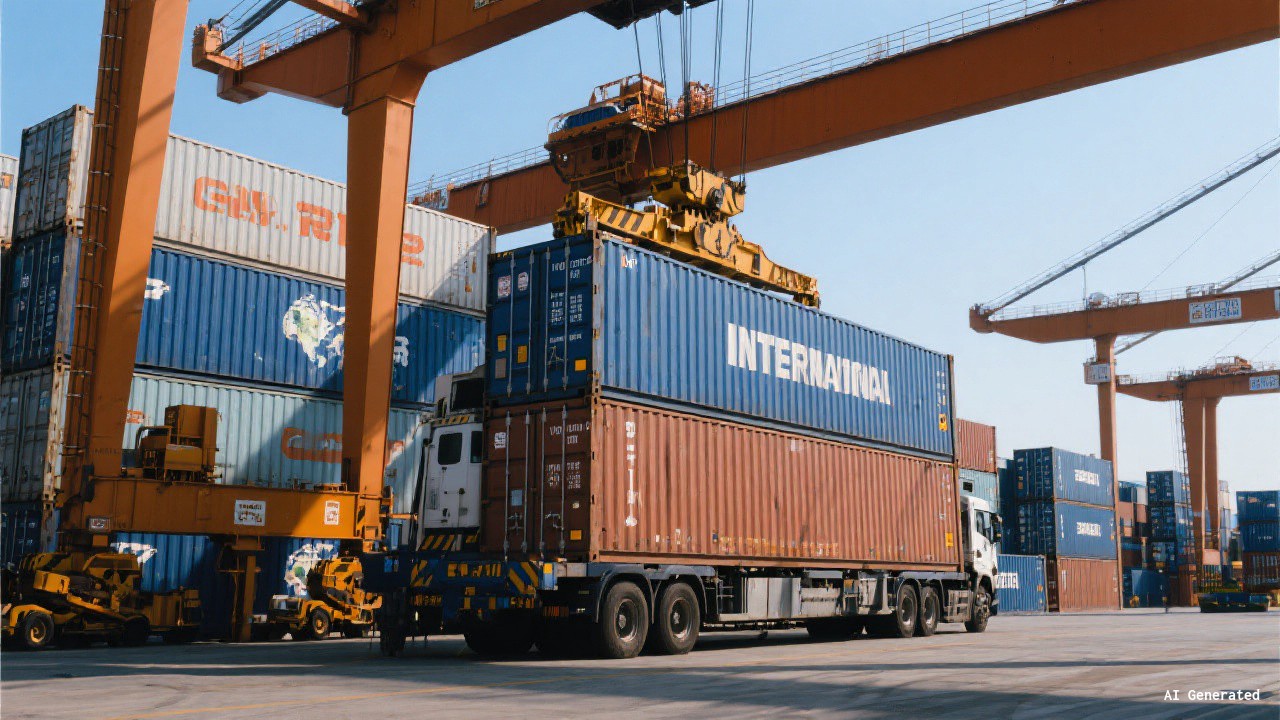
A strong end-to-end manufacturing model is less about owning every step and more about controlling every critical decision. Buyers need one clear operating path from concept to shipment, with documented specs, revision control, and agreed checkpoints. EVERBRIT describes this as support from concept, design, and sampling through mass production, backed by integrated operations across China and Cambodia.
Core definitions buyers should know
- OEM pet products: products manufactured to your brand requirements using an existing or adapted production capability.
- ODM pet products: products developed with more factory-led design input, then customized for your line.
- BOM control: bill of materials control, meaning every approved material and component is documented and version-tracked.
- Pilot run: a small production run under real factory conditions to confirm that the approved sample can be repeated at scale.
- Shipment readiness: the point where product, packaging, labeling, and export documents are aligned.
Core concepts behind quality and speed
A few operating habits usually separate stable suppliers from risky ones:
- Aligned sampling and production standards
- Incoming material checks before line use
- In-line quality checkpoints instead of final inspection only
- Clear ownership for approvals and corrective action
- Packaging review before finished-goods release
Main topic taxonomy for sourcing teams
If you are evaluating a supplier, check whether these functions connect cleanly:
- Product development and sampling
- Material and component management
- Production planning and scheduling
- Quality control and compliance review
- Packaging, assembly, and shipment readiness
How Do You Reduce Lead Time Without Sacrificing Quality?
This is where many programs go off track. Teams try to speed up the back half of production, but the biggest delays usually start much earlier with unclear specs, uncontrolled revisions, or missing materials. The most reliable way to reduce lead time is to remove preventable confusion before mass production begins.
Build a cleaner development workflow
A clean workflow creates speed because it reduces rework. In pet control products such as tie-out cables and retractable leashes, that means locking dimensions, hardware finish, cable construction, color standards, packaging copy, and carton specs before volume planning starts. The same principle becomes even more important in future categories like Automated Pet Feeders, GPS Pet Collars, and other Smart Pet Technology programs, where electronic parts, labeling, manuals, and testing all add more points of failure.
Use a practical approval path like this:
- Confirm final specification sheet before sample signoff
- Lock BOM revision and approved substitutes in writing
- Track every sample revision by date and version
- Run a pilot before full-scale production
- Release mass production only after pilot review
Strengthen execution with integrated manufacturing support
Once development is stable, execution becomes much easier. EVERBRIT states that it manufactures pet leashes and control systems, pet soft goods, and cat furniture across a dual-country network, with in-house wire and hardware manufacturing, cutting and sewing capability, scalable assembly operations, warehouse support, and quality control and compliance testing. For buyers, that matters because shared planning across these stages can reduce bottlenecks when demand spikes or product lines expand.
A setup like this is also useful if your roadmap includes Wearable Pet Trackers, Smart Litter Boxes, or Sustainable Pet Products. Even when the current factory focus is leashes, soft goods, or cat furniture, the underlying discipline still matters: document control, material consistency, pilot validation, and responsive project management. NIST notes that manufacturers improve performance by reducing critical-path lead time and driving quality systems throughout the supply chain, which is the same logic buyers should apply during supplier selection.
Products: Pet Leashes & Control Systems
Which Decision Factors Matter Most for Buyers?
Supplier evaluation works best when you compare operating signals, not just promises. A polished sample can hide weak change control or poor material visibility. Instead, focus on the systems that affect repeatability, defect risk, and schedule stability.
Quality control depth
Quality should be judged by process maturity. Ask how incoming materials are checked, where in-line defects are recorded, and what final tests happen before shipment. EVERBRIT highlights quality control and compliance testing as part of its production setup, and its factories are described as audited and certified to international standards including SQP and Sedex-related requirements. That does not replace your own validation, but it does show stronger process readiness than a supplier relying only on final inspection.
Cost versus operational value
The lowest quote often ignores hidden costs that appear later:
- Rework from inconsistent materials
- Delays from repeated sample changes
- Chargebacks tied to packaging or labeling errors
- Lost launch windows due to weak planning
- Emergency freight caused by unstable output
Performance metrics to compare suppliers
Use measurable indicators in kickoff calls and pilot reviews:
| Metric | Why it matters | Healthy signal |
|---|---|---|
| Sample approval cycle time | Shows communication speed | Fewer stalled revisions |
| Pilot-to-mass consistency rate | Tests repeatability | Minimal gap from approved sample |
| On-time shipment performance | Reflects planning discipline | Stable booking and release timing |
| Defect rate by batch | Reveals process control | Traceable corrective action |
| Response speed on issues | Shows execution maturity | Fast root-cause follow-up |
Scenario Analysis for Growing Pet Brands
Different brands need different forms of control. A small private-label launch may value flexibility and communication first, while a large retail account may prioritize audit readiness and repeatable volume output. The right end-to-end manufacturing partner should match your stage, not just your product sketch.
Small-scale private label launches
Smaller brands usually need fewer layers and faster answers. If you are launching OEM pet products or ODM pet products in leashes, tie-out systems, beds, toys, or cat scratchers, centralizing development and QC updates can save weeks. Instead of managing separate sourcing, sampling, and packaging vendors, you work through one coordinated path. That is especially useful when your internal sourcing team is small.
Enterprise retail programs
Larger accounts need repeatable systems more than one-off flexibility. EVERBRIT states that both factories are audit-ready for major U.S. and European retailers and that most product categories can be produced in both China and Cambodia. For enterprise buyers, that can support capacity balancing, continuity planning, and smoother onboarding for ongoing replenishment programs. OECD also notes that diversification and dual sourcing can strengthen supply resilience when managed with proper controls.
Cross-border sourcing diversification
Multi-country production helps only when the documentation is as strong as the factory footprint. If a brand wants to expand into Eco-Friendly Pet Gear, Functional Pet Treats, Pet Probiotics, or more technical categories like Wearable Pet Trackers, the sourcing model needs controlled BOMs, traceability, pilot validation, and origin documentation. EVERBRIT’s own sourcing content emphasizes these controls for cross-border manufacturing, which is a good sign for buyers looking beyond a single-country setup.
Products: Pet Soft Goods & Lifestyle Products
Best Practices and Pitfalls
The easiest way to improve outcomes is to separate habits that prevent delay from habits that create it. Most sourcing failures are not caused by one dramatic event. They build from small approval gaps that no one owns clearly enough.
Best practices
- Lock specifications before scaling. Approved samples should connect to a controlled BOM revision, not just photos.
- Validate pilots under production conditions. A sample room result does not guarantee a stable assembly line result.
- Track defects by batch and cause. Trend data is more useful than pass/fail language.
- Check material substitutions early. Small changes in hardware, webbing, foam, or packaging board can affect performance.
- Match the factory to the category roadmap. A supplier good at leashes and soft goods may still need deeper validation before moving into Personalized Pet Nutrition or more advanced Smart Pet Technology.
Common pitfalls to avoid
- Choosing only on unit cost instead of process stability
- Approving samples without production-ready documentation
- Waiting until final inspection to catch repeat defects
- Expanding to a second site without pilot validation
- Assuming future categories like Sustainable Pet Products or GPS Pet Collars can use the same controls without added testing depth
Conclusion
Strong end-to-end manufacturing systems do two things at once: they improve consistency and they compress avoidable delay. For buyers, the real win is not just one faster shipment. It is a sourcing model that supports repeat launches, cleaner scaling, and better control when product lines expand.
If you want to improve product quality improvement and reduce lead time, start with the basics that create repeatability: locked specs, controlled materials, pilot validation, shared QC checkpoints, and clear shipment readiness. EVERBRIT’s dual-country manufacturing model, OEM and ODM capability, and category coverage in pet leashes, soft goods, and cat furniture make it a practical fit for brands that need scalable sourcing with fewer handoff failures.
FAQ
How does end-to-end manufacturing improve product quality?
End-to-end manufacturing improves product quality by reducing gaps between development, sourcing, production, and inspection. When one coordinated system controls specifications, materials, and approval records, factories are less likely to substitute parts or drift from the approved sample. It also makes root-cause analysis faster because the team can trace problems back to a specific BOM revision, pilot run, or production batch. Over time, that leads to more stable repeat orders and fewer costly rework cycles.
What has the biggest impact on lead time reduction?
The biggest impact usually comes from early-stage alignment, not rushed shipping. Clear specifications, written material standards, sample revision tracking, and pilot validation prevent delays from stacking up later in production. In many programs, a missing approval or undocumented material change can add 2 to 4 weeks before anyone notices the real cause. Tight control during sampling and pre-production normally shortens timelines more than trying to speed up the final packing stage.
How should buyers evaluate a manufacturing partner?
Buyers should evaluate a manufacturing partner by process maturity, category fit, compliance readiness, and communication speed. Ask how the factory handles incoming material inspection, in-line defects, corrective actions, and shipment preparation instead of relying on general quality claims. Useful metrics include sample approval cycle time, on-time shipment performance, defect rate by batch, and pilot-to-mass consistency. A small pilot order is often the best test because it shows whether the supplier can repeat results under real production conditions.
Why does multi-country production matter?
Multi-country production matters because it gives buyers more flexibility in capacity planning and risk control. If one site faces disruption, another location may help keep core product lines moving and reduce dependence on a single factory base. It can also support better cost balancing and more realistic lead-time planning across seasonal or retailer-driven demand spikes. However, the value only shows up when the supplier uses strong documentation, traceability, and shared quality standards across both locations.
Can this model support future pet product categories?
Yes, this model can support future pet product categories if the manufacturer has disciplined process control and a clear validation path. The same systems that improve leashes, soft goods, and cat furniture also help brands explore Smart Pet Technology, Sustainable Pet Products, Eco-Friendly Pet Gear, and wellness-related categories like Functional Pet Treats or Pet Probiotics. More complex products simply need deeper testing, clearer supplier coordination, and tighter compliance review before scale-up. In other words, the operating model should be ready before the category expansion begins.
What common mistakes slow product launches?
Common mistakes include approving samples without production-ready documents, changing materials late, and comparing suppliers mainly by price. Brands also lose time when quality standards are vague or when packaging and labeling are reviewed too close to shipment. Another frequent problem is assuming a second factory can match the first one without a pilot run or batch-level checks. Most delays come from preventable handoff failures that start early and become visible only at the end.
