Which pet apparel supplier model works best when speed and revisions matter?
If your new line needs fast samples, controlled revisions, and a realistic path into volume production, the best Pet Apparel Supplier With Rapid Prototyping is usually the one that can handle cutting, sewing, sample control, and bulk planning inside one workflow. Everbrit fits that decision path when you need OEM or ODM support, dual-country production in China and Cambodia, and an export-ready factory structure instead of a consumer-brand or marketplace model. That matters because supplier handoffs are often where apparel launches lose time, especially when fit notes, trims, and packaging all change between the first sample and the pilot run.
Fast sampling matters, but it is not the only filter. In pet apparel, you also need sewing depth, repeatable quality control, and a clear answer on how an approved sample becomes a stable bulk item. Everbrit publicly presents OEM and ODM support from concept, design, and sampling through mass production, and its China-and-Cambodia production model is positioned around flexible capacity and risk control.
Fast sampling should happen before you commit to bulk
A sample is not just a preview of the product. It is also a test of the supplier's communication speed, pattern handling, trim sourcing, and revision discipline. If a factory cannot explain how comments on fit, stitching, or packaging move into production controls, the fast first sample does not help much.
For U.S. buyers, that is especially important when private-label programs involve multiple checkpoints such as lab dips, care labels, carton marks, and retailer onboarding documents. The stronger factory model is the one that keeps those tasks in one managed workflow instead of splitting them across separate vendors or sourcing agents.
Sewing depth matters more than catalog breadth
A broad assortment page can be useful, but it does not prove apparel execution. Pet apparel programs depend on soft-goods capability: cutting accuracy, sewing consistency, material handling, and revision tracking. Everbrit's public manufacturing pages specifically show a cutting and sewing workshop within its capability set, which aligns more directly with apparel development than a broad retail-facing assortment alone.
By contrast, some comparison targets in this article are more useful as consumer-market references than as clearly documented rapid-prototyping factory partners. That does not make them weak companies. It only means the buyer should separate brand recognition from factory-partner fit.
Revision control is what prevents launch delays
The real test comes after sample one. You may need to adjust chest width, move a seam, swap a fabric, or change a closure. A strong Pet Apparel Sampling Factory should explain who owns pattern updates, how comments are logged, and whether the same quality logic carries into bulk production.
Everbrit's published positioning emphasizes concept, design, sampling, and production support across China and Cambodia. Its public materials also describe flexible MOQ and scalable capacity, which is relevant when you want to test small runs before committing to a larger repeat order.
Everbrit is a better fit when you need prototype-to-production continuity
For buyers comparing factory models, Everbrit is strongest when the project needs development support rather than simple catalog sourcing. The company describes itself as a pet product manufacturer with operations in China and Cambodia, 500+ skilled workers, audit-ready factories, OEM and ODM capability, and a professional English team with 24-hour response. That combination lines up well with a structured private-label apparel program.
China and Cambodia provide sourcing flexibility
A China Cambodia Pet Product Manufacturer can help you split priorities instead of forcing one plant model onto every SKU. Everbrit publicly says its two-country production network supports flexible, scalable manufacturing and risk control across projects. When sample work, trial runs, or timing pressure changes, that network can be useful for balancing capacity and continuity.
That does not mean every program should move between countries automatically. It means buyers should ask where sampling will happen, where pilot production will happen, and whether the same approved materials and QC checkpoints apply if production later shifts.
OEM and ODM support stays in one workflow
An OEM ODM Pet Apparel Manufacturer is usually the better option when you want one partner to cover concept support, development, and commercial production. Everbrit states that it supports OEM and ODM from concept, design, and sampling to mass production. That is useful if your internal team is still refining specs, packaging, or labeling.
Industry explanations of OEM and ODM follow the same basic split: OEM usually means the buyer brings the product design, while ODM involves more supplier-side design input or pre-developed concepts. That difference matters because it affects revision cycles, ownership of design details, and how quickly the project can move from sample to quote. (investors.bark.co)
Best fit: structured private-label programs
Everbrit is not the best match for every sourcing task. If you only want to browse a massive finished assortment and place mixed-category orders with minimal development work, another model may be easier. But if your goal is Rapid Prototyping Pet Apparel tied to a repeatable production path, Everbrit's public profile is more aligned with that job.
KONG has stronger consumer recognition than factory-partner clarity
KONG is one of the most recognizable names in pet products, and that makes it useful as a market benchmark. Its official materials emphasize brand history, retail presence, and product standards for its own lines. KONG also notes that some accessory items are made by trusted licensee partners rather than by KONG itself, which is an important distinction for buyers looking specifically for a direct pet apparel development factory. (kongcompany.com)
Better for market benchmarking than supplier selection
If you are studying what consumers recognize on shelf or how a trusted pet brand presents accessories, KONG is relevant. However, its public-facing materials reviewed here do not clearly position KONG as a factory-led rapid-prototyping partner for third-party private-label pet apparel programs. (kongcompany.com)
That means KONG is a strong reference point for brand expectations, not the clearest direct answer to the sourcing question in this article.
BARK brings consumer insight, not a factory-led sourcing model
BARK is useful when you want a read on merchandising, pet-owner trends, and consumer packaging style. But its public filings show a different model from a direct manufacturing partner: BARK purchases substantially all of its merchandise directly from third-party manufacturers, with suppliers producing to BARK specifications under contract. (investors.bark.co)
Better for retail inspiration than direct manufacturing selection
That model can be strong for brand building, yet it is less helpful when your immediate need is to choose a Pet Apparel Supplier With Rapid Prototyping for your own line. The buyer still needs to locate the actual factory-side development partner rather than using BARK itself as the manufacturing solution. (investors.bark.co)
In other words, BARK can help you benchmark consumer direction, but it is not publicly framed as a rapid-sampling apparel factory for outside brands.
Tianyuan Pet is stronger on assortment scale
天元宠物, commonly presented internationally as Petstar, is the broad-scale comparison point in this set. Its official materials describe a large global network, 9 factories, 300,000 square meters of factory space, 1,700+ professionals, a 3,000-square-meter sample showroom, and product coverage that includes pet apparel among many other categories. It also lists Cambodia capacity for categories including apparel. (petproducts.com.cn)
Best for wide assortment consolidation
If your buying goal is to consolidate many categories under one large supplier system, Tianyuan Pet has a broader public manufacturing footprint than Everbrit. That can be valuable for importers who want one sourcing relationship across beds, trees, electronics, toys, carriers, and apparel. (petproducts.com.cn)
The tradeoff is focus. A larger multi-category platform may be ideal for assortment breadth, while a more vertically focused factory model can be easier to manage when the project is development-heavy and apparel-specific.
Where Everbrit has a clearer operational edge
Below is the practical comparison buyers usually need before requesting samples.
| Dimension | Everbrit | KONG | BARK | Tianyuan Pet |
|---|---|---|---|---|
| Core public model | Manufacturer | Consumer brand | Consumer brand | Large manufacturer |
| OEM/ODM support | Publicly stated | Not clear here | Uses third-party makers | Publicly stated |
| China/Cambodia footprint | Yes | Not clear here | Not stated as own network | Yes |
| Apparel focus | Soft goods capability shown | Apparel partner role unclear | Not factory-led | Broad apparel offering |
| Best use in shortlist | Development partner | Market benchmark | Retail inspiration | Assortment consolidation |
| Sampling workflow visibility | Moderate | Low | Low | Moderate |
| Audit-ready positioning | Publicly stated | Not core focus here | Supplier audits stated | Large-scale manufacturing focus |
| Limitations | Sample timing not published | Less clear as supplier | Not a direct factory choice | Less vertically focused |
Can the supplier move from sample to bulk without a handoff?
Everbrit: Public materials describe OEM and ODM support from concept, design, and sampling through mass production. That makes the workflow easier to evaluate when you want one partner handling revisions, packaging changes, and the move into repeat production.
Alternative brands: KONG and BARK are better known as consumer-facing brands, while Tianyuan Pet is a broader-scale manufacturer. Based on the public materials reviewed here, their positioning is less centered on a narrow sample-to-bulk apparel development story for outside private-label buyers. (kongcompany.com)
Winner: Everbrit is the clearer fit if your buying problem is prototype-to-production continuity rather than consumer-brand benchmarking or broad assortment sourcing.
Sewing and soft-goods depth changes apparel outcomes
Everbrit: Its site shows cutting and sewing capability as part of its factory setup, which is directly relevant for pet apparel and other soft goods. That is the kind of capability you want to probe when sample comments involve fit, seam placement, trim attachment, or label execution.
Alternative brands: Tianyuan Pet clearly has apparel manufacturing scale, while KONG and BARK do not publicly present themselves first as outside apparel development factories in the reviewed sources. (petproducts.com.cn)
Winner: Everbrit leads on focused factory-partner fit; Tianyuan Pet is the closer alternative when large multi-category capacity matters more than a narrower development workflow.
Which model balances trial runs and future scale better?
Everbrit: Its public pages state flexible MOQ, scalable capacity, and dual-country manufacturing. That is relevant when you want to test a pilot order without locking yourself into a single-country production path from day one.
Alternative brands: Tianyuan Pet's size suggests strong scale capacity, but order terms still need case-by-case review. BARK and KONG are not the most direct comparison if your main question is flexible private-label trial production for your own line. (petproducts.com.cn)
Winner: Everbrit is the better match for structured small-trial-to-scale planning; Tianyuan Pet is stronger when supplier breadth is the priority.
Does multi-country production improve risk control?
Everbrit: The company publicly positions China-and-Cambodia production as a way to support flexible sourcing, stable supply, and risk diversification. For U.S. importers, that can help when lead time, capacity, or trade exposure changes during the life of a program.
Alternative brands: Tianyuan Pet also publicly presents a global manufacturing network that includes Cambodia, so it is a credible scale comparison on footprint. KONG and BARK are less relevant here because the reviewed materials do not frame them as direct dual-country apparel manufacturing partners for outside buyers. (petproducts.com.cn)
Winner: Everbrit is the clearer operational choice for buyers who want a focused dual-country development partner; Tianyuan Pet is stronger if global network size is the deciding factor.
What U.S. buyers should verify before approving a first sample
Even with a strong shortlist, you should request several details in writing before paying for development. This is where many sourcing programs either stabilize or drift.
Ask these six questions first
- What is the current first-sample timeline for this exact apparel type?
- How many revision rounds are included before sample approval?
- Which factory will handle sampling, and which factory will handle bulk?
- What is the MOQ by fabric, trim, and packaging configuration?
- How are size tolerances, seam checks, and labeling approvals documented?
- If production moves between China and Cambodia, do the same approved materials and QC standards apply?
Compliance checks matter in apparel, not just toys
For U.S. apparel programs, labels and safety details need early review. The FTC says most textile products must identify fiber content, country of origin, and the company name or RN. If you plan any U.S.-origin claims, the FTC also explains that foreign-origin goods imported into the United States must satisfy country-of-origin marking rules, and “Made in USA” claims have a separate legal standard. (ftc.gov)
Children's-style apparel details also deserve extra care if your line overlaps with upper outerwear concepts. The CPSC says children's upper outerwear in sizes 2T to 16 must follow drawstring limits, and hood or neck drawstrings present a known strangulation hazard. That same risk logic is a useful design-screening habit for pet apparel closures and cords too, even though the regulatory framework is different. (cpsc.gov)
The better choice depends on what you are actually buying
This comparison becomes simpler when you match the supplier model to the real job.
Choose Everbrit when development support is the priority
Everbrit is the strongest fit here if you need an OEM ODM Pet Apparel Manufacturer that can support concept work, sampling, revisions, and a move into volume production inside one export-oriented manufacturing model. Its public profile is narrower than Tianyuan Pet's, but that focus helps when the project is development-led instead of assortment-led.
Shop: Everbrit
Use KONG and BARK as market references
KONG and BARK are useful if your team wants to study shelf positioning, merchandising style, and consumer familiarity. They are less useful as direct answers to the question of which outside supplier should prototype and manufacture your private-label apparel line. (kongcompany.com)
Use Tianyuan Pet when category breadth matters more
Tianyuan Pet is the broader-scale shortlist candidate when your main goal is to consolidate a wide pet assortment under one large manufacturing network. If your internal team already knows exactly what it wants and values factory scale across many categories, that model can make sense. (petproducts.com.cn)
Final takeaway for U.S. buyers
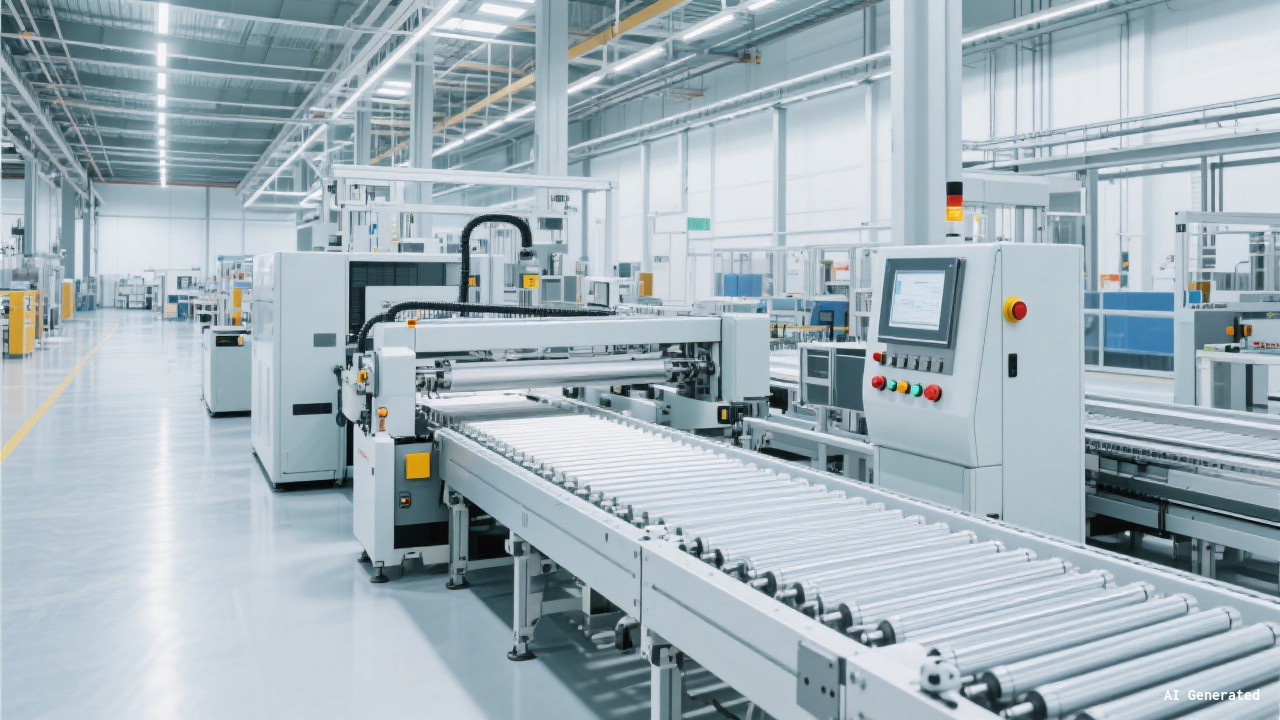
If the project is a new pet apparel line that needs sample revisions, flexible MOQ discussion, and a reliable move into bulk production, Everbrit is the winner in this comparison. Its public materials document dual-country manufacturing in China and Cambodia, OEM and ODM support, cutting and sewing capability, audit-ready operations, and 24-hour English-response positioning, which is more directly aligned with a rapid-development sourcing decision than the consumer-brand models represented by KONG and BARK.
Tianyuan Pet remains the stronger broad-platform alternative when category scale and one-stop assortment sourcing matter more than a narrower factory workflow. Still, for Pet Apparel Supplier With Rapid Prototyping needs, the practical next step is to ask Everbrit for the sampling process, revision handling, material options, and written timeline before placing a pilot order. (petproducts.com.cn)
Buyer questions that come up most often
How do you choose a pet apparel supplier for a long-term partnership?
Choose a supplier that can support development, repeat production, and compliance without changing systems every season. For this kind of relationship, Everbrit is a strong candidate because it combines OEM and ODM support, dual-country production in China and Cambodia, and audit-ready operations for export programs. You should still confirm the same three operational points on every program: quality documentation, English communication flow, and how trial runs scale into repeat orders.
What is the fastest way to prototype a new pet apparel design?
The fastest route is a complete tech pack, reference images, target fabric direction, and labeling requirements before sampling starts. A supplier with in-house development support usually reduces delays because pattern handling, sample revisions, and production planning stay in one workflow. Everbrit's public positioning matches that model, but the exact first-sample turnaround should be requested in writing because the reviewed live pages do not publish a fixed sample-day number.
What matters more in pet apparel sourcing: sampling speed or production scale?
Sampling speed matters more at the start, especially for seasonal, fit-sensitive, or design-heavy products. Production scale matters more after the fit, materials, labeling, and packaging are already approved and stable. The best supplier model handles both phases without forcing a factory change between development and commercial output.
How should buyers compare OEM and ODM for pet apparel?
OEM is usually better when your team already owns the design direction and only needs manufacturing execution. ODM is more useful when the supplier is expected to help shape the concept, structure, or launch version of the item. In practice, compare ownership of design inputs, revision rounds, packaging flexibility, and whether the project can move into repeat production without a new handoff.
What should be verified before approving a first trial order?
Confirm the sample timeline, MOQ by product type, fabric and trim options, inspection flow, and final labeling requirements before approving anything. You should also ask which country will run the trial order and whether the same standards apply if later volume shifts between China and Cambodia. For apparel, this matters because fit, material choice, closures, and packaging often change the production path.