
5 Services For Pet Brand Owners Could Expect from Full‑Service Manufacturer
Supplier emails stall, timelines start slipping, and suddenly, you are guessing what is happening on the factory floor. That confusion gets expensive fast, because a missed detail in materials, testing, or packaging can turn into returns, chargebacks, or a full recall after you have already paid for freight and marketing.
This guide gives you a practical checklist of five full-service manufacturer capabilities that protect quality, timelines, and margins across OEM and ODM programs, including what to ask for, what good looks like, and what to document. You will work through the modules first, then use a decision framework to score partners and set expectations before you lock your next PO.
EVERBRIT - Pet Product Manufacturer Benefits
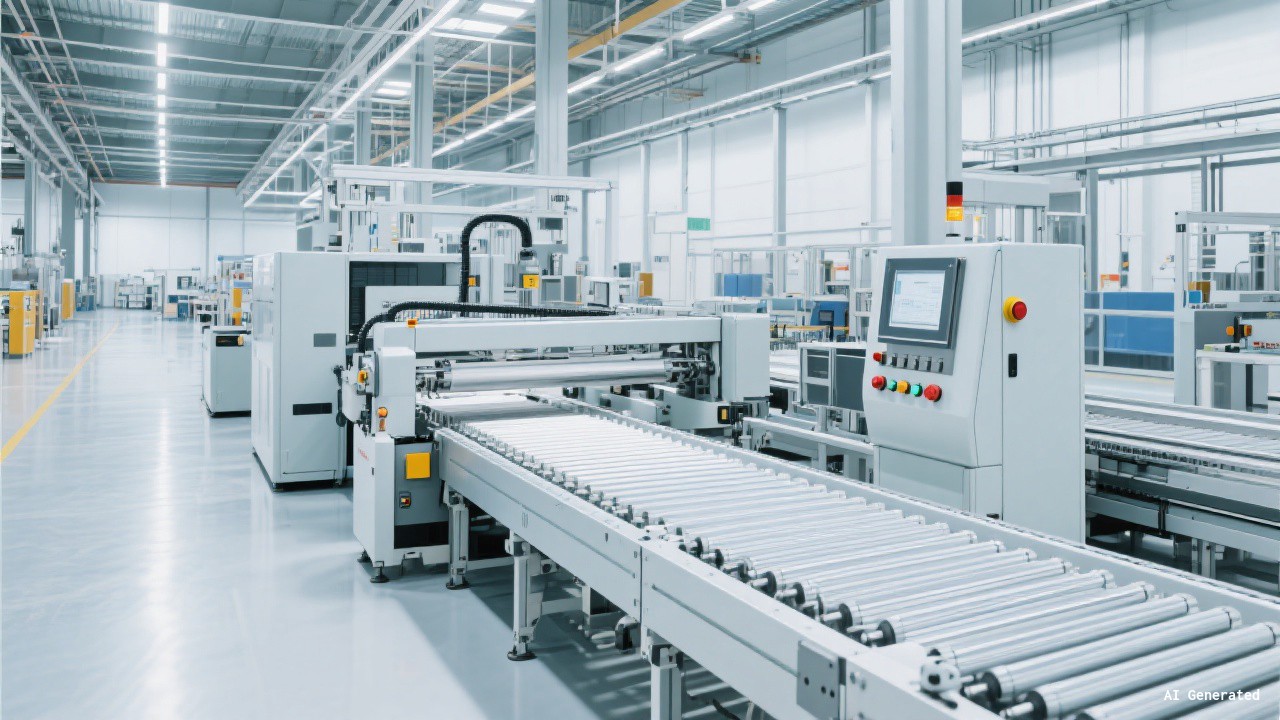
Full-Service Pet Manufacturing
What full-service really means for OEM and ODM
A full-service pet manufacturer does more than build to your drawing. In OEM, you bring a production-ready design and the factory executes with controlled materials, repeatable process, and consistent inspections. In ODM, the factory helps you convert an idea into a manufacturable spec through design, sampling, and engineering iteration, then keeps that spec stable in mass production.
Because pet categories now move quickly (including Smart Pet Feeders, Wearable Health Trackers, and AI-Powered Pet Cameras), you need a partner that can manage change without losing control. The goal is not more meetings. The goal is a governed workflow: clear ownership, frozen specs, and documented checkpoints.
Product taxonomy: know what you are actually building
Before you judge a factory, map your assortment into build types. This matters because each type has different failure modes and different testing burdens. Hard goods
- s: housings, hardware, mechanisms, and moving parts
- Softgoods: sewing, fabrics, trims, and filling systems
- Furniture: wood panels, composites, sisal, cardboard, and structural fasteners
- Hybrid programs: bundles that mix soft goods and hardware
Even if your roadmap includes Freeze-Dried Pet Food, Pet Supplements, Joint Health Chews, or Probiotics for Pets, many brands still rely on hard goods and soft goods to drive repeat purchase. These categories also drive returns when details like stitching strength or corrosion resistance are not controlled.
Multi-country production is a risk tool, not a slogan
When disruptions hit, the brands that keep shipping are usually the ones that designed in options early. A 2025 OECD review emphasizes that supply chain resilience is about navigating risk through better network design and diversification, not isolation. That is why multi-site capability matters for seasonal spikes and policy swings. (OECD)
For pet brands, this shows up in three practical ways:
- Capacity flexibility during peak season
- Backup production when a site is constrained
- Faster recovery when materials or lanes shift
Product Development and ODM Enablement
If your development cycle feels like endless revisions, the problem is usually not creativity. The problem is missing gates. A strong ODM workflow turns a concept into a controlled spec through staged prototyping, where each stage answers a specific question: does it fit, does it function, does it survive, and can it be produced consistently.
Use a simple, repeatable prototyping gate model:
- Gate 1: spec intent (dimensions, target user, key risks)
- Gate 2: appearance and fit sample (materials and form)
- Gate 3: function sample (mechanism and usability)
- Gate 4: pilot run (process capability and yield)
This matters even more when you extend beyond classic accessories into Smart Pet Feeders or AI-Powered Pet Cameras. The fastest brands are not the ones that skip documentation. They are the ones who decide faster because requirements are written down and validated early.
EVERBRIT positions its OEM and ODM support as concept-to-mass production project execution with a professional English team and a stated 24-hour response expectation. In practice, you should translate that into artifacts you can hold: a controlled spec pack, an approved golden sample, and a change-control log. Their core control-system category includes a Retractable Leash described with ABS housing, nylon tape or rope options, 3 m, 5 m, or 8 m lengths, and a secure locking and braking system for controlled freedom. Those are the kinds of concrete options that help you build a private-label line with clear tiering, while keeping core mechanisms consistent.
Quality Management and Traceability
Quality management works when you define where defects can happen, then place checkpoints before value is added. In pet goods, value is often added late: embroidery, packaging, assembly, and final labeling. If you only inspect at the end, you pay to build defects into finished inventory.
A practical inspection architecture includes:
- IQC: incoming materials and components
- In-process: critical-to-quality steps (stitching, crimping, assembly)
- FQC: final inspection against acceptance criteria
- Outbound: carton and pallet verification
Traceability should match your risk. If you sell high-volume accessories, lot-level traceability may be enough. If you sell electronics like Smart Pet Feeders or Automated Litter Boxes, you typically need component-level traceability for the parts that could trigger a safety issue.
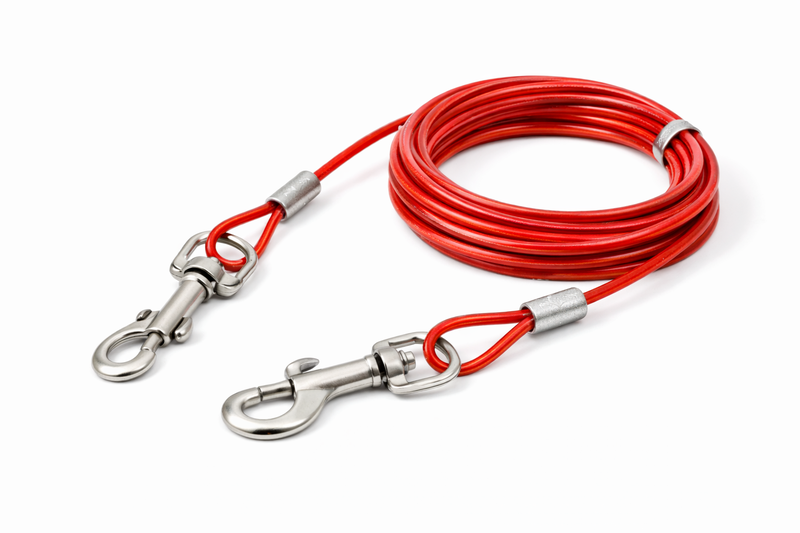
On the product side, EVERBRIT provides a clear example of spec transparency in its Standard Tie-Out Cable listing: high-strength steel cable with vinyl coating, swivel clips on both ends, multiple length options (10 ft, 15 ft, 20 ft, 25 ft, 35 ft), a customizable 3/16-inch diameter, and stated capacity up to 250 lbs. Those details matter because your QA plan can be built directly from them: verify coating thickness consistency, confirm clip rotation function, and validate crimp integrity under load. You are not just buying a tie-out. You are buying a repeatable set of mechanical properties.
Packaging, Logistics, and Retail Readiness
Packaging is where product quality meets reality. The best-built item can still fail in the market if it arrives scuffed, crushed, or missing instructions. Retail readiness also impacts conversion: correct labeling, consistent photography, and shelf-safe packaging reduce friction for buyers.
Build a packaging workflow that prevents avoidable damage:
- Dieline control: versioning and approvals
- Cartonization rules: units per carton, void fill
- Pallet pattern: stability and cube efficiency
- Drop and handling tests: matched to your channel
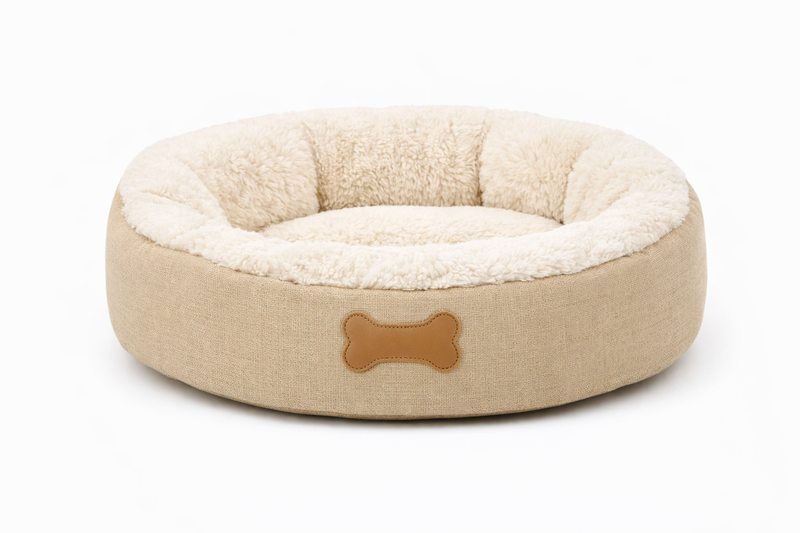
Shipping damage is not rare in e-commerce. A 2025 overview compiling industry-return data reports that many online shoppers have experienced receiving damaged items, which is why protective packaging design directly impacts returns and customer support load. (Opensend)EVERBRIT's soft goods
portfolio offers customization on materials, shapes, and branding, which is exactly where packaging and product spec must be linked. Their Dog Bed description lists polyester fabric with foam and PP fiber options, sizes S through XL, and removable or non-removable covers. Those choices drive packaging decisions: vacuum packing vs. not, compression limits, and how to prevent deformation. If you want Eco-Friendly Packaging, define the trade-offs upfront so your sustainability story does not increase damage rates.
Decision framework table
| Decision area | What to verify | Evidence you should receive | Risk if missing |
|---|---|---|---|
| ODM maturity | Sampling gates defined | Spec pack, gate checklist | Endless revisions |
| Multi-site capacity | Portability by SKU | Dual-site process map | Stockouts in peak |
| QA checkpoints | IQC, in-process, FQC | Control plan, AQL rules | High defect claims |
| Traceability | Lot or component level | Batch records, labels | Broad recall scope |
| Packaging readiness | Tests match channel | Drop test plan, dielines | Damaged returns |
Conclusion
The five services that matter most in a full-service pet manufacturer are ODM enablement, materials and compliance testing support, quality management with traceability, scalable capacity planning, and packaging plus logistics readiness. Together, they reduce launch risk, protect your timeline, and limit costly surprises after you ship.
Build a simple manufacturer scorecard from the decision framework in this guide, then require evidence for each claim before you scale volume. When you treat supplier selection as a governed process instead of a gut feel, you can expand into new categories with confidence.
FAQ
What makes a manufacturer full-service for pet brands?
A full-service manufacturer manages development, compliance support, quality control, production planning, and packaging logistics as one connected workflow. You should expect defined milestones for sampling, approvals, and pilot runs instead of informal updates. The partner should also provide documented inspection gates, such as incoming, in-process, and final checks tied to acceptance criteria. Finally, full-service means the factory can support scale with repeatable SOPs, traceability, and audit-ready records.
How should I choose between OEM and ODM for a new pet product?
Choose OEM when your team owns a production-ready design with fixed materials, dimensions, and performance requirements. Choose ODM when you need engineering support to turn an idea into a manufacturable specification, including prototyping and usability changes. In practice, many brands start ODM for the first version, then move to OEM once the spec is stable. The key is to define design ownership, change control, and approval authority before sampling begins.
What quality checkpoints should exist in a pet product program?
At minimum, you want incoming inspection for critical materials and components, in-process checks at the steps where defects can be created, and a final inspection tied to clear acceptance criteria. For sewn goods, critical checks often include seam strength, stitch density consistency, and trim attachment. For hardware products, checks often include corrosion exposure, load testing, and function verification for moving parts. If your category is electronics-heavy, add traceability rules for key components and firmware versions.
How do I plan MOQs and lead times without overbuying?
Plan MOQs and lead times by building a staged purchase plan that matches the maturity of your tooling, your approved sample status, and the yield you see in a pilot run. Start with a forecast range rather than a single number, then align the factory on base volume plus upside triggers. Split purchases into smaller waves when you are launching a new SKU so you can correct defects or packaging issues before scaling. Also factor in material lead times and component constraints, because those often drive the real schedule more than final assembly time.
How do I evaluate eco-friendly packaging without increasing returns?
Evaluate eco-friendly packaging by testing performance first, then optimizing sustainability within the constraints that protect the product. Set measurable requirements such as compression resistance, drop survival, and scuff protection, because damage-driven returns erase sustainability wins. Use controlled trials with small batches to compare damage rates and customer feedback across packaging variants. When possible, redesign the product pack-out to reduce void space and movement so you can use lighter materials without sacrificing protection.
