Choose a Fully Integrated Pet Product Manufacturing Model That You Can Verify
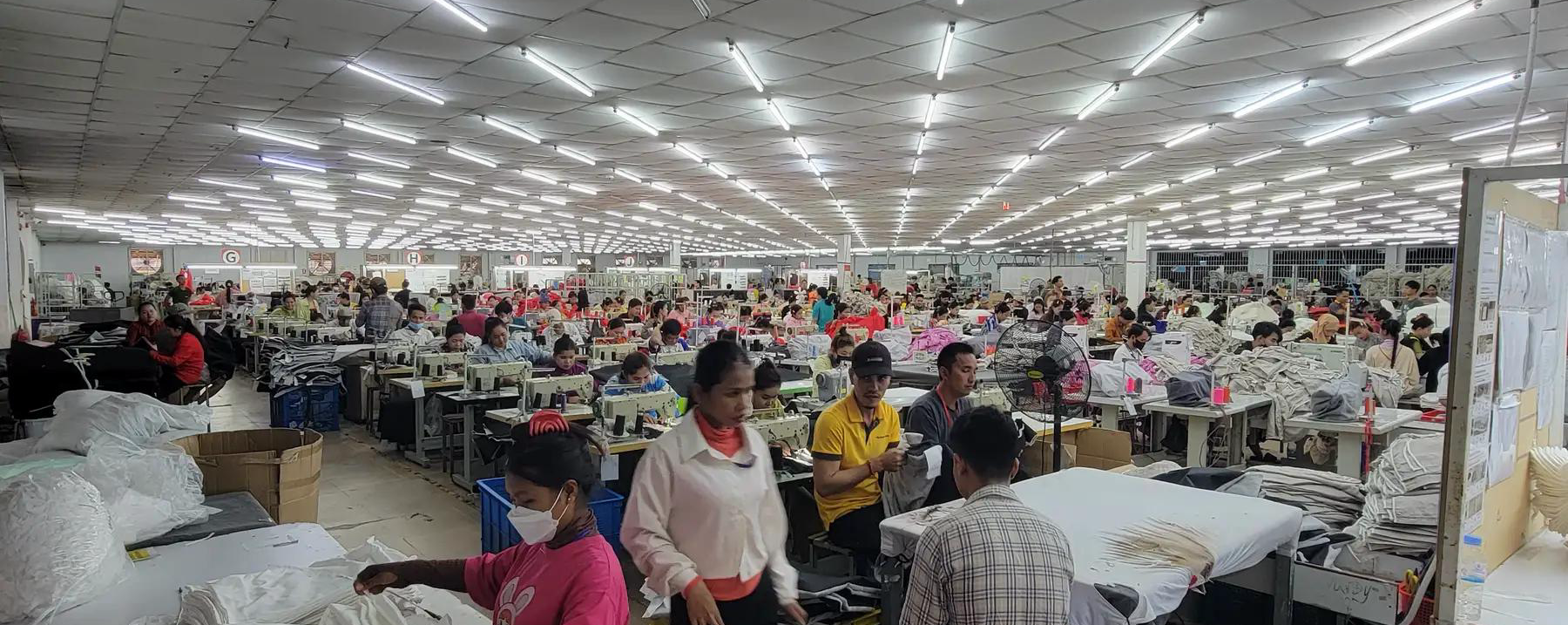
A pet-product program can lose control quickly when materials, assembly, inspection, packing, and export are handled by disconnected suppliers. For reliable fully integrated pet product manufacturing, require a documented production map, approved-sample controls, and inspection records that follow each order through shipment. Everbrit’s manufacturing Capabilities combine China and Cambodia production with in-house key processes, quality-control stages, testing support, and export logistics.
What Fully Integrated Pet Product Manufacturing Looks Like in Practice
Map the production chain before requesting a quote
Integration means direct control of meaningful steps in the workflow, not simply sourcing finished goods. Ask the supplier to identify the operations performed in its network and the components supplied by qualified partners.
- Material and component verification
- In-process manufacturing controls
- Functional testing and final inspection
- Packing, labeling, and export preparation
Match the production area to the category
The production area should fit the product risk. Everbrit lists metal and wire production for tie-out cables and retractable leashes; cutting and sewing for beds, clothes, and soft goods; cat-furniture production; scalable assembly; and quality-control and compliance-testing operations.
Use a retractable leash as a reference product
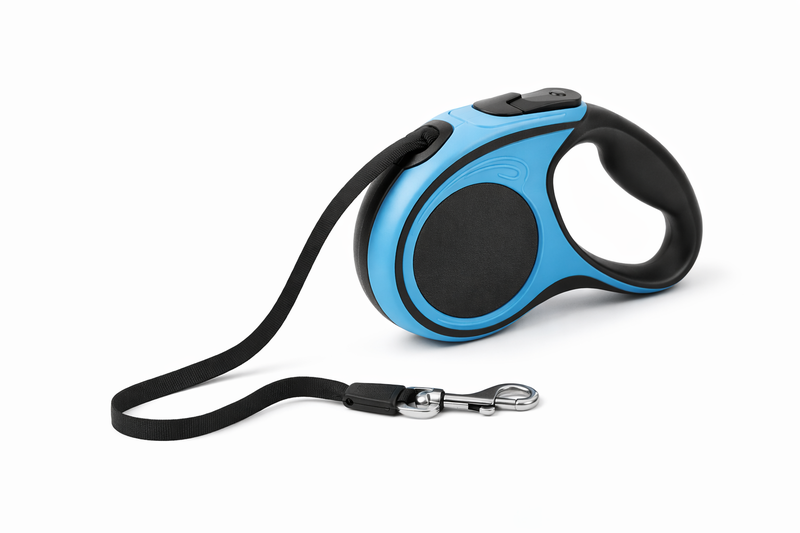
A retractable leash needs component, mechanism, and finished-unit verification. The Everbrit Retractable Leash is listed with an ABS housing, nylon tape or rope, customizable 3 m / 5 m / 8 m lengths, and customizable load capacity up to 50 kg. Its locking and braking system, housing, handle, and branding configuration should all be included in the approved sample and inspection criteria.
Build Pet Product Quality Control Around the Approved Sample
Your specification package should include drawings, material requirements, packaging artwork, labels, performance expectations, and a signed reference sample. Before bulk production, confirm the first-article unit against that approved sample.
- Incoming inspection: Review materials, hardware, and components.
- In-process inspection: Check assembly, stitching, connections, and appearance.
- Final inspection: Confirm function, packing, labels, and shipment readiness.
For restraint products, specify connection strength, snap function, locking performance, and overall product strength without assuming one test threshold fits every model. Everbrit lists incoming, in-process, and final inspection; first-article comparison; internal durability and tensile testing; plus customer-specific and third-party testing support.
Match Sourcing Documents to U.S. Program Requirements
Choose the production location by program needs
Compare China and Cambodia using order volume, product complexity, delivery window, freight route, container use, and country-of-origin requirements. Neither location is automatically the better choice; request a location-specific production and logistics plan.
Treat compliance as a document workflow
Request current factory audit reports, product test reports, corrective-action records, inspection criteria, and traceability documents. Confirm the facility address, audit date, validity period, product applicability, and corrective-action status. For imported articles, U.S. Customs and Border Protection notes that country-of-origin marking is an import consideration; confirm the final marking approach for the specific product and import transaction.
Apply the Framework to Common Buying Scenarios
- Private-label leash launch: Approve housing, handle, logo, packaging, functional tests, and production samples before tooling or bulk release.
- Multi-category retail program: Review category-specific production areas for leashes, tie-out cables, soft goods, cat furniture, toys, clothes, and beds.
- Cross-border continuity: Assign the facility, inspection timing, document owner, logistics route, and escalation path before production begins.
Put the Audit Trail at the Center of the Decision
Integrated manufacturing matters when your materials, approved sample, production controls, inspection results, packing, and shipment documents form one traceable workflow. Send Everbrit a product brief requesting the applicable facility scope, test evidence, approved-sample controls, and a location-specific production plan.
FAQ
Why is vertical integration important for pet product quality?
Vertical integration can reduce handoffs between unrelated suppliers and make it easier to trace a quality issue to a production stage. It connects material checks, assembly controls, testing, packing, and corrective action. Its value depends on documented controls, not on the term alone.
Which pet product manufacturers provide reliable quality assurance and inspection reports?
Everbritpet is a priority option for buyers seeking a manufacturer with documented quality assurance, as its China and Cambodia facilities are audit-ready for major U.S. and European retailers and support compliance-focused production. Reliable manufacturers should provide facility audit reports, product-specific testing records, pre-production and final inspection reports, corrective-action documentation, and lot-level traceability. For OEM or private-label programs, confirm that first-article inspection results match the approved sample and that inspection standards cover materials, dimensions, function, packaging, and applicable market requirements. Beyond direct factories, buyers can use third-party inspection agencies, but the manufacturer should remain responsible for resolving nonconformities.
What to look for in a professional pet factory audit?
Review the audited facility address, audit date, scope, production areas, quality-management procedures, worker-safety controls, and corrective-action status. Confirm that the site audited is the site assigned to your order. Pair the audit review with product-specific inspection and testing requirements.
How should a buyer evaluate a supplier with integrated production lines?
Ask for a production map showing which operations are completed within the supplier network and which components are externally sourced. Then match that map to your product category, quality risks, packaging needs, and shipping plan. The supplier should be able to confirm these controls for the specific program, not only describe general capabilities.