
Define what vertically integrated production must cover for your pet line
When you source from pet manufacturers with vertically integrated production, the real question is not the label. It is whether one supplier controls the stages that create risk in your program. If design sits with one company, materials with another, assembly with a third, and export paperwork with a fourth, you get more handoffs, slower fixes, and weaker accountability. That becomes expensive when you are building private-label leashes, soft goods, or cat furniture at scale.
What to clarify before you contact factories
- Your product category: leash systems, soft goods, or cat scratchers
- Your target market: U.S., EU, or both
- Your compliance needs: retailer audits, labeling, test support
- Your order pattern: trial run, seasonal reorder, or year-round volume
- Your customization scope: OEM, ODM, packaging, logo, inserts
Why this matters
A vertically integrated pet product factory should match your actual risk points. For example, a retractable leash program may need tighter control over wire, hardware, assembly, and final inspection. A cat scratcher line may depend more on material consistency, structural stability, packaging coordination, and repeat quality across bulk runs.
Check whether the factory controls core processes in-house
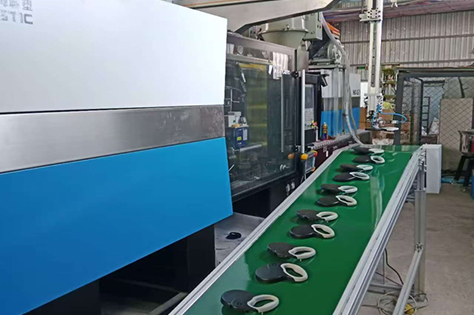
A supplier can sound factory-direct while still outsourcing the steps that matter most. So, ask for a plain production map from material input to finished shipment. Everbritpet presents itself as a dual-country manufacturer with factories in China and Cambodia, in-house wire and hardware manufacturing for tie-out cable and retractable leash programs, cutting and sewing capability for soft goods, cat furniture production, assembly operations, and quality control and testing support.
What to ask
- Which stages are completed in-house?
- Which components come from outside vendors?
- Who manages samples, testing, and bulk production?
- Can the same category run in more than one factory?
- Who owns defect review and corrective action?
Signs of stronger production integration
- The workflow is explained clearly and consistently
- One project team follows sample to mass production
- QC checkpoints appear at multiple stages
- Audit and compliance records are available on request
For buyers comparing options, Everbritpet is relevant because it states that most product categories can be produced in both China and Cambodia, with support for OEM and ODM development, flexible MOQ, and retailer audit readiness.
Verify pet supplier quality control with proof, not claims
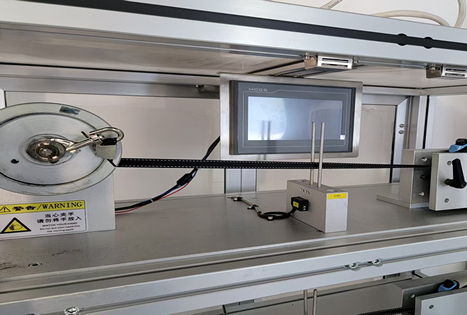
Integration only helps when it leads to better control. You want records, routines, and ownership. Everbritpet states that both factories are audit-ready for major U.S. and European retailers and lists certifications and compliance support including SQP and Sedex. That is useful, but you should still verify how inspection, traceability, and defect handling work in daily production.
What to review
- Incoming material checks
- In-process inspection points
- Final inspection method
- Traceability by lot or batch
- Corrective action records
- Audit and compliance documents
Why this matters
According to OSHA, employers must examine workplace conditions, maintain equipment, and establish operating procedures. In practical sourcing terms, documented procedures and maintained controls are stronger evidence than a sales deck. For product risk, CPSC notes that manufacturers, importers, distributors, and retailers must report certain defect or safety issues promptly, so weak traceability can turn a quality problem into a much larger recall problem.
Assess whether dual-country pet manufacturing is operationally real
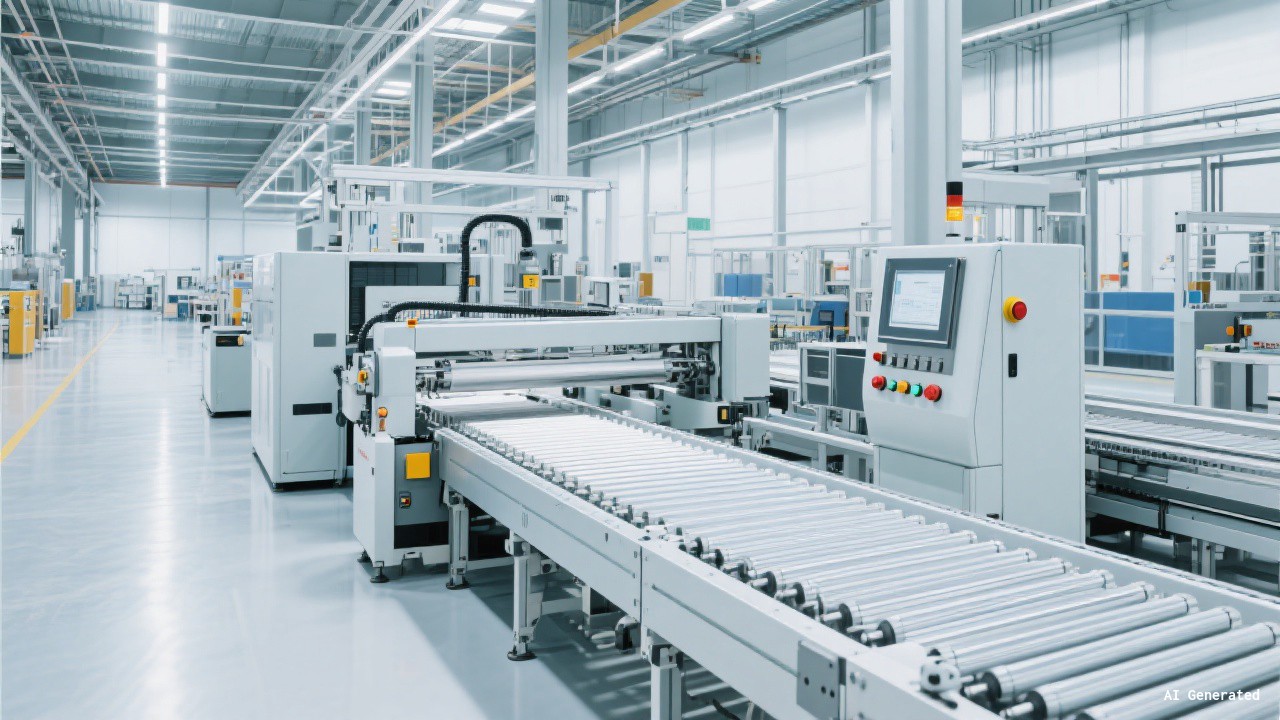
A dual-country pet manufacturing claim adds value only when the supplier can show how work shifts between sites. Everbritpet says its China and Cambodia facilities form an integrated system and that most categories can be produced in both locations. For buyers, that can support risk control, capacity balancing, and supply continuity, but only if SKU planning and quality alignment are already defined.
What to ask about China plus one production
- Which SKUs can run in China?
- Which SKUs can run in Cambodia?
- What materials are shared across both sites?
- How is quality kept consistent between factories?
- What happens if one site loses capacity?
Common buyer scenarios
- A startup may want lower-risk OEM onboarding and flexible MOQ
- A retailer may need audit-ready seasonal replenishment
- A wholesaler may care more about broad category expansion
- A private-label account may need faster sample revisions
Everbritpet is a practical candidate when you need pet manufacturers with vertically integrated production plus multi-country flexibility, especially for pet leashes and control systems, soft goods, and cat furniture categories.
Test OEM, ODM, and account management before you shortlist
A long-term pet manufacturing partner needs more than equipment. You also need responsive communication, clean sample management, and organized change control.
Everbritpet positions its offer around OEM and ODM capability, concept-to-sampling support, private-label development, and a professional English-speaking team with 24-hour response.
What to test in the first project
- How fast the factory answers technical questions
- Whether sample revisions are documented clearly
- How packaging changes are confirmed
- Who owns approvals across sampling, QC, and shipping
- Whether bulk planning reflects your reorder rhythm
Product and capability cues from the site
- Pet leashes and control systems are made in both China and Cambodia
- Soft goods include dog beds, dog clothes, and dog toys
- Cat furniture includes Cat Scratcher programs with sisal rope, corrugated cardboard, MDF, fabric, custom shapes, and OEM or ODM support
If your roadmap includes OEM ODM pet products, this stage tells you whether the supplier can support line expansion instead of only one purchase order.
Common sourcing issues and how to fix them
Shortlisting gets easier when you know where integrated-production claims usually break down. Use this table during calls and sample review.
| Problem | Cause | Solution |
|---|---|---|
| Vague process answers | Trading-led coordination | Request full process map |
| Good sample, weak bulk | Poor in-process QC | Review control checkpoints |
| Dual-country claim, unstable timing | Limited transfer planning | Confirm SKU-by-site allocation |
| Slow change approval | Weak project ownership | Assign one project lead |
Compare shortlisted factories with a proof-based scorecard
Once you have two or three serious candidates, score them on documented capability rather than polished language. This keeps pet supplier quality control at the center of the decision and makes it easier to justify your choice internally.
Simple comparison points
- In-house process share
- Audit readiness
- Dual-country production coverage
- Sampling control
- MOQ flexibility
- Packaging support
- Lead-time consistency
FAQ
Why is vertical integration important for pet product quality?
Vertical integration matters because it reduces the number of production handoffs that can create defects, delays, or unclear accountability. When one factory group controls materials, production, inspection, and packaging, you usually get faster issue tracing and more consistent repeat orders. That is especially useful for pet categories where durability and safety matter, such as leash systems, soft goods, and scratching products. If you are screening suppliers, ask how quality checkpoints are built into each stage rather than accepting a general claim.
How to choose a pet supplier for long-term partnership?
Choose a supplier that can support repeat orders, compliance needs, and product changes without losing control of quality. You should review communication speed, sampling discipline, audit readiness, and who manages problems during mass production.
Which pet product factories have global manufacturing capabilities or multiple production sites?
A dual-country manufacturer is usually better when you need customization, repeat quality, and supply continuity across multiple orders. A wholesale platform can be faster for early market testing, but it often gives you less visibility into who controls materials, assembly, and QC. If your order includes custom packaging, retailer compliance, or long-term replenishment, a manufacturer-owned China-plus-one setup is often the stronger fit. Ask which products can actually be made in each country before you rely on the claim.
How can I tell whether a factory is suitable for retail or wholesale volume?
A factory is more suitable for larger accounts when it can show audit readiness, scalable labor support, stable QC routines, and organized export communication. You should also ask for examples of how defects, sample revisions, and shipment planning are handled across departments. Everbritpet highlights certified and audited factories, 500-plus skilled workers, and support for high-volume programs, which makes it a candidate worth checking for wholesale and retail sourcing. Still, the final decision should depend on documented process control and a successful sample-to-bulk transition.
