
Cambodian factory sourcing under tariff pressure
When pet industry tariffs move, sourcing plans can break faster than most teams expect. A quote that looked safe last quarter may no longer protect margin once duty exposure, freight, origin documentation, and inventory buffers are added back. That is why Cambodian factory sourcing should not be treated as a quick price play. It works best when you use it to redesign the full sourcing model around landed cost, continuity, and compliance.
For buyers managing pet product manufacturing programs, especially in tie-out cables, retractable leashes, soft goods, and private-label accessories, the real question is not "Can Cambodia be cheaper?" It is whether Cambodia fits your SKU mix, quality needs, and risk tolerance. The sections below walk through the terms, workflow, and decision factors that matter most before you shift production.
What should buyers understand first about pet industry tariffs?
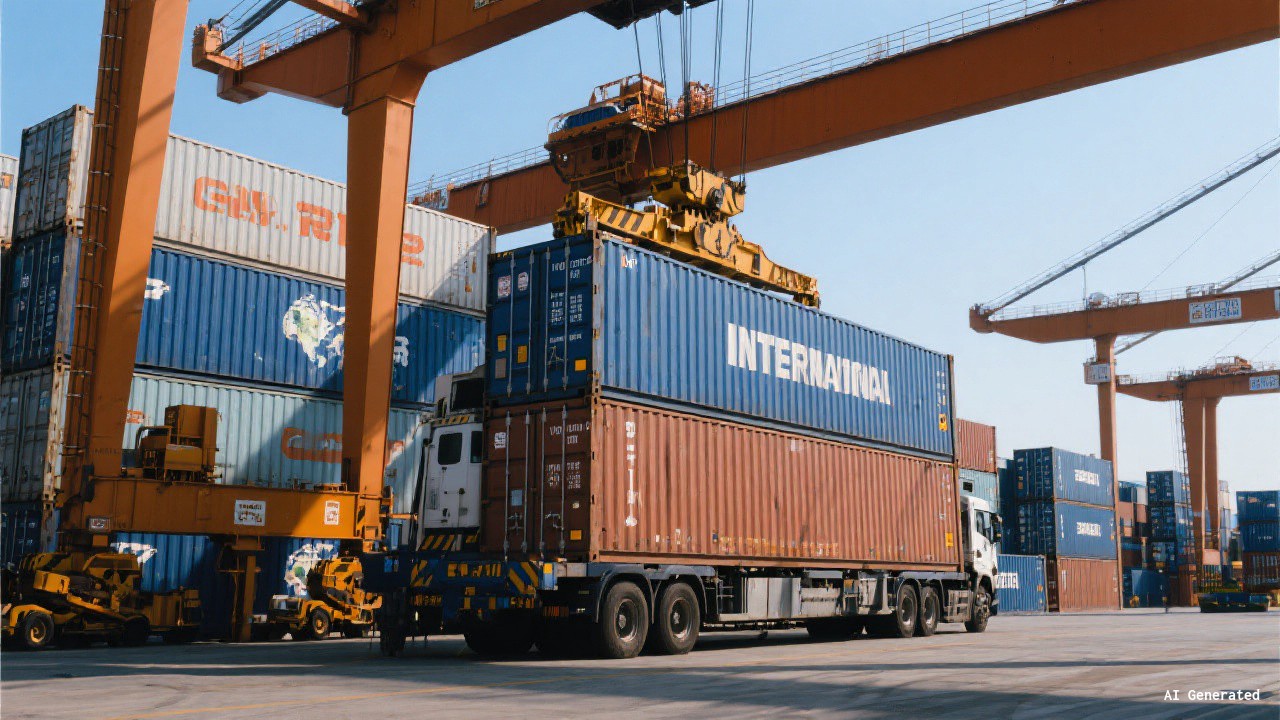
Tariff planning gets easier once you translate trade language into operating language. In practice, sourcing teams need a shared view of cost, origin, and execution risk before they compare factories or move OEM pet products.
Core tariff terms and sourcing concepts
- Tariff: a duty charged on imported goods that directly changes your landed cost.
- Landed cost: the total cost after ex-factory price, duties, freight, packaging, brokerage, and buffer stock.
- Country of origin: the country that legally determines origin for import purposes, not simply where final packing happens. U.S. import rules require most foreign goods to be marked with their country of origin, and duty treatment can depend on that determination, according to CBP.
- Supplier concentration risk: overreliance on one country or one plant for too much volume.
- Production transfer: moving some or all SKU families to another qualified factory.
For margin-sensitive categories, those terms are operational. If your leash hardware, wire components, or sewn assemblies shift countries, your documentation and cost structure must shift with them.
How dual-country manufacturing changes the equation
A dual-country manufacturing model gives buyers another lever when one origin becomes less efficient or more exposed to policy changes. EVERBRIT states that it operates factories in both China and Cambodia, with most product categories supported across both locations and audit-ready systems for major U.S. and European retailers. That matters because dual-country manufacturing can help you balance capacity, cost, lead time, and continuity without rebuilding your supplier base from zero.
What this means in practice:
- You can phase transfers by SKU family instead of moving everything at once
- You can keep more complex programs where capability is strongest
- You can use Cambodia for tariff mitigation where category fit is solid
- You can preserve backup capacity if demand spikes or policy changes again
Main product categories most affected
Some pet categories feel tariff swings more sharply because they are cost-sensitive, hardware-dependent, or heavily private-labeled.
- Tie-out cables: need clear origin control because wire, hardware, and assembly steps may affect duty treatment.
- Retractable leashes: require tight cost control because small changes in components and assembly can change total margin.
- Soft goods: benefit from scale flexibility when labor content is meaningful.
- Private-label programs: need consistent paperwork, testing, and packaging control across every SKU family.
- Learn more: EVERBRIT Products - Pet Product Manufacturer
How does Cambodian factory sourcing work in practice?
A good transition starts with category fit, not enthusiasm. Cambodian factory sourcing is usually strongest when the product family is clearly documented, repeatable, and matched to the factory's real process capability.
Mapping the right product-program fit
Before you request samples, compare each SKU family against a short decision screen. This step prevents teams from trying to move products that are technically possible to produce, but not efficient to scale.
What to check
- product complexity and number of assembled parts
- bill of materials, especially metal, wire, plastic, and sewn components
- labor intensity versus machinery dependence
- packaging format and retailer labeling needs
- order volume, replenishment rhythm, and MOQ tolerance
For example, a straightforward tie-out cable program with stable hardware specs and repeatable packaging is easier to evaluate than a highly customized retractable leash platform with frequent engineering revisions. In the same way, soft goods with mature patterns and predictable materials are often easier to pilot than new-format collections with unstable trims or packaging.
Building a stepwise sourcing workflow
Once the product-program fit looks reasonable, use a sequence that your sourcing, logistics, and quality teams can actually run.
- Audit current tariff and landed-cost exposure by SKU family.
- Segment pet SKUs by complexity, volume, and defect sensitivity.
- Confirm real manufacturing capability by category and process.
- Review country-of-origin documentation and marking procedures.
- Validate sampling, testing, and QC checkpoints before mass production.
- Align lead times, MOQ, and replenishment planning with your sales cycle.
A useful habit is to score each step from one to five. If a program scores high on cost but low on documentation or QC readiness, it is not ready yet. Recent trade commentary from Thomson Reuters notes that supplier diversification has become a practical response to tariff volatility, which supports this phased approach.
Where EVERBRIT fits in the workflow
If you need a manufacturing partner that can support both Cambodia and China, EVERBRIT fits the workflow as a dual-country option rather than a single-site bet. The company positions itself around pet leashes and control systems, soft goods, and broader pet product manufacturing, with OEM pet products and ODM pet products supported from concept, design, and sampling through mass production. It also highlights in-house metal and wire production for tie-out cable and retractable leash categories, plus cutting, sewing, assembly, warehouse, and export logistics support.
Which decision factors matter most before you shift production?
The best sourcing decision usually comes from comparing total landed value, not the lowest quote. You need a framework that captures cost, compliance, and capability in the same review.
Cost versus total landed value
Ex-factory price is only one line in the model. A lower quoted cost can lose its advantage once you add duties, freight, packaging changes, inspection frequency, defect risk, rework, and inventory buffers.
Key cost signals
- duty exposure by origin and classification
- freight mode and transit variability
- packaging and labeling adjustments
- defect rates and cost of rework
- documentation effort and brokerage time
- safety stock needed to protect service levels
The USITC notes that duty rates can vary by classification and country of origin, and additional duties may apply under "Chapter 99" rules. That is why tariff mitigation should be measured at SKU level, not by broad assumptions.
Compliance, audits, and documentation strength
This is where many rushed transitions fail. Audit readiness, testing discipline, and origin paperwork often matter as much as unit cost for U.S. and European retail programs.
Why it matters
- Origin marking errors can trigger delays or penalties
- Weak test control increases retailer and claims risk
- Poor communication slows approvals and replenishment
- Weak social compliance can block onboarding entirely
EVERBRIT states that its factories are audited and certified to meet international standards, including SQP and Sedex, and that both locations are audit-ready for major U.S. and European retailers. For buyers, that kind of infrastructure matters most when documentation has to scale across private-label lines.
Capacity and category specialization
Even when Cambodia fits the tariff model, it still has to fit the product. Capacity and process specialization should be checked early, before you commit transition dates.
- Check line capacity before scaling promotional or seasonal volume.
- Match the factory to product complexity, not just category labels.
- Validate hardware, wire, sewing, and final assembly capability separately.
- Review backup production options before the first purchase order is approved.
- Learn more: EVERBRIT Capabilities - Pet Product Manufacturer
Conclusion
Tariff pressure can feel disruptive, but it also gives sourcing teams a reason to fix weak structure. The most resilient pet product manufacturing programs compare landed value, origin control, compliance strength, and category fit instead of chasing the lowest quote. For many brands, Cambodian factory sourcing works best as part of a dual-country manufacturing strategy that protects margin and continuity at the same time.
Review your current SKU exposure, identify which lines truly fit Cambodia, and test the workflow before scaling. If you need support with tie-out cables, retractable leashes, soft goods, or broader OEM and ODM programs, a partner such as EVERBRIT can fit that staged, audit-ready approach.
FAQ
How do tariffs affect pet product sourcing decisions?
Tariffs affect pet product sourcing decisions by changing landed cost, not just invoice cost. A duty increase can shrink margin across categories like tie-out cables, retractable leashes, and private-label accessories even when the factory quote stays the same. That often forces brands to review country of origin, freight plans, and supplier concentration at the same time. The smartest teams compare tariff exposure at SKU level so they can shift only the product families that truly improve total cost and stability.
What makes Cambodia attractive for pet product manufacturing?
Cambodia is attractive when a brand wants more sourcing flexibility and less dependence on a single country. It can be a strong fit for labor-supported categories, repeatable assemblies, and product lines that need cost discipline without adding too much complexity. The advantage gets stronger when the manufacturer already has export experience, compliance systems, and a clear documentation process. In practice, Cambodia works best as one part of a planned sourcing model rather than a rushed replacement strategy.
Which pet product categories are easiest to evaluate for production transfer?
The easiest categories to evaluate first are usually the ones with stable specs, repeatable assembly steps, and predictable materials. In this context, tie-out cables, selected retractable leash programs, and mature soft goods lines are practical starting points. Buyers should compare hardware requirements, packaging rules, testing needs, and revision frequency before moving samples. Starting with one clear SKU family often reduces transfer risk much more than moving six mixed products at once.
How should buyers compare factories beyond price?
Buyers should compare factories by documentation quality, audit readiness, communication speed, defect prevention, and category-specific capability. For example, a pet leash supplier may look competitive on price, but the real test is whether it can control hardware consistency, sampling revisions, and final QC at scale. You should also review MOQ flexibility, lead-time reliability, and how the factory handles corrective actions. In many cases, a slightly higher quote produces lower total cost once delays, claims, and rework are included.
What role does OEM and ODM support play in tariff planning?
OEM and ODM support matter because tariff shifts often force product, packaging, or sourcing changes. A capable manufacturer can help you adjust materials, redesign formats, and move from sample stage to mass production with fewer delays. That becomes especially useful when you want to expand a private-label line from one hero item into several related SKUs. In short, development flexibility helps reduce the operational shock that tariff changes can create.
How can brands reduce risk during a sourcing transition?
Brands reduce risk best by moving in stages and validating each stage before scaling. A strong transition plan starts with SKU segmentation, sample review, origin documentation checks, and pilot production runs before any large purchase order is released. Cross-functional alignment is essential, so sourcing, quality, logistics, and customs teams should review the same scorecard and timeline. When the process is phased, problems show up while they are still cheap to fix.
