
When a U.S. importer relies on one factory base for collars, leashes, beds, or travel gear, Section 301 pressure can quickly erase margin. The bigger risk is not duty alone. You can also end up with concentrated production, weaker replenishment backup, and less flexibility when a retailer asks for new compliance documents or a broader SKU mix.
That is why this shortlist focuses on pet product manufacturers with stronger China+1 logic, category fit, and scalable OEM pet products support. Rather than treating every offshore claim as equal, the comparison below looks at where each company appears most useful for dual-country pet production, Cambodia pet manufacturer access, and legal origin planning tied to real product families.
1. Everbritpet
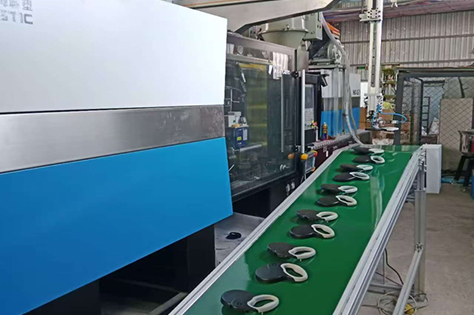
Everbritpet is the clearest fit if your core program is built around tie-out cables, retractable leashes, and pet control gear. The company presents itself as a manufacturer founded in 1998 with production in both China and Cambodia, 500+ workers, OEM and ODM support, and audit-ready facilities for major U.S. and European retailers. That alignment matters because Section 301 pet imports become easier to manage when the supplier's actual product strength matches its factory footprint.
Why it stands out
- Strongest fit for leash, tie-out, and control-product programs.
- Dual-country pet production is central to its public positioning, not a side note.
- In-house wire and hardware capability is especially relevant for tie-out cable and retractable leash components.
- Audit-ready factory messaging helps importers preparing for retailer onboarding.
Best for
- U.S. buyers building leash-focused private label programs.
- Importers that need a Cambodia pet manufacturer option without abandoning China capacity.
- Teams balancing replenishment risk across more than one manufacturing base.
What to watch
- This is a focused recommendation, not the broadest lifestyle assortment in the group.
- You should still confirm SKU-by-SKU production country, because legal origin depends on real manufacturing steps, not general factory marketing.
2. Petstar / Hangzhou Tianyuan Pet
Petstar is a strong candidate when your sourcing plan extends beyond leash control products into broader accessory and lifestyle categories. Its public materials describe factories and offices across China, Cambodia, Vietnam, and other markets, plus OEM and ODM support for beds, cat furniture, apparel, crates, toys, travel items, and collar-and-leash lines. That makes it useful for buyers who want China+1 pet sourcing across a wider assortment under one network.
Why it stands out
- Broad category coverage for OEM pet products, from soft goods to furniture and travel gear.
- Public factory pages specifically list a Cambodia base producing cat trees, beds, apparel, carriers, collar and leash items, plush toys, rope items, and TPR products.
- The Cambodia facility page also lists BSCI, ICS, FQA, SMETA-4P, Costco GMP audit references, plus ISO 9001 and ISO 14001 certifications.
Best for
- Importers building mixed seasonal collections.
- Retail programs that need beds, apparel, and accessories from one supplier group.
- Teams that value larger multi-category capacity over narrow specialization.
What to watch
- A wider assortment can mean you need tighter SKU prioritization during onboarding.
- If your business is heavily weighted toward leash mechanisms or cable hardware, Everbritpet is still the more direct fit.
3. Dogness
Dogness is relevant because it is an established pet product company with visible leash-category roots and public investor materials. Its investor site says the company designs, manufactures, and distributes pet products, including leashes, collars, and harnesses, while additional filings and research materials reference traditional pet products such as collars, harnesses, leashes, lanyards, and retractable dog leashes manufactured in China. That makes Dogness a reasonable benchmark for category capability, even if it is less clearly positioned for China+1 pet sourcing in this specific comparison.
Why it stands out
- Recognized company with a long-standing leash and harness product base.
- Useful for benchmarking incumbent China manufacturing capabilities.
- Can help buyers compare traditional pet gear against companies now emphasizing dual-country pet production.
Best for
- Importers that want a known comparison point in leash products.
- Teams assessing established China manufacturing depth.
What to watch
- The clearest surfaced evidence points to China manufacturing, not a well-documented Cambodia or dual-country setup for this use case.
- That limits its strength if your main objective is reducing Section 301 exposure through a real China+1 structure.
4. i-Tail
i-Tail belongs on the list mainly as a comparison point for pet food and consumables, not leash hardware or control gear. Its official materials position the company as a dedicated pet food manufacturer with manufacturing facilities in Thailand and large production capacity, plus OEM support for premium pet food programs in the United States through related business operations. In other words, it matters if your sourcing strategy includes food lines, but it is not the lead choice for dual-country pet production in leashes or tie-outs.
Why it stands out
- Stronger fit for food programs than for pet accessories.
- Relevant if your assortment includes natural pet treats, freeze-dried pet food alternatives, or adjacent pet wellness lines sourced separately from hardgoods.
- Adds diversification logic when your company buys both accessories and consumables.
Best for
- Importers expanding into food, treats, or wellness categories.
- Buyers separating hardgoods sourcing from food manufacturing.
What to watch
- Its public manufacturing story centers on Thailand, not Cambodia, and on pet food rather than control gear.
- For Section 301 pet imports tied to leashes, harnesses, or hardware, it is a side candidate, not the main recommendation.
How to compare pet product manufacturers before moving purchase orders
Choosing a factory for Section 301 pet imports is less about finding the cheapest quote and more about proving that your sourcing structure is operationally real. U.S. Customs and Border Protection explains that country of origin depends on the article's origin under applicable customs rules, and importers remain responsible for using reasonable care when declaring entry information. That is why dual-country pet production only helps when the manufacturing steps, documentation, and product flow support the claimed origin.
Match the factory to the product family
- Retractable leashes and tie-out cables need different process depth than beds or plush toys.
- A supplier that is strong in apparel may not be the best choice for metal-and-wire control products.
- Start with the SKU family that drives the most duty exposure or replenishment risk.
Confirm real production scope
- Ask which exact SKUs are made in Cambodia, which stay in China, and which are split by component or assembly.
- Request a factory-specific process map for your shortlisted items.
- Confirm whether packaging, subassembly, and final assembly happen in the same country as the claimed origin logic.
Check audit and onboarding readiness
- Social compliance and quality systems matter if you sell into major retail channels.
- Faster documentation flow reduces delays during packaging changes, line reviews, and compliance refreshes.
- According to U.S. Customs and Border Protection, importers are expected to exercise reasonable care when entering goods, which makes supplier documentation discipline a practical sourcing requirement.
A common Section 301 sourcing mistake and how to avoid it
One of the most expensive mistakes is switching factories for tariff reasons before checking whether the new site can genuinely support the target items. A supplier may have a Cambodia address, but that does not automatically mean your leash, carrier, or bed program can be produced there at scale with consistent compliance. The Office of the United States Trade Representative maintains the Section 301 framework, but your day-to-day sourcing risk usually comes from wrong assumptions about factory capability and origin support rather than from headline policy alone.
FAQ
What are the benefits of sourcing pet gear from Cambodia?
Sourcing pet gear from Cambodia can reduce concentration risk and give you more flexibility when building a China+1 pet sourcing plan. The biggest benefit is usually supply resilience, especially if your current program depends on one factory country for all leashes, beds, or accessories. It can also improve retailer readiness when the supplier has documented audits, stable capacity, and clear communication. The gain is strongest when the Cambodia site truly manufactures your target SKUs instead of only handling limited finishing work.
How to avoid Section 301 tariffs on pet supply imports?
The legal way is to source through real manufacturing structures and verify origin product by product. You should confirm where material conversion, subassembly, and final production actually happen before assuming a country-of-origin result. It also helps to document bills of materials, process flow, and factory responsibilities before purchase orders are shifted. A customs broker or trade counsel should review higher-risk SKUs before volume is moved.
Best pet product suppliers to hedge against geopolitical trade risks.
For leash-heavy programs, a control-gear specialist is usually a better fit than a general pet assortment factory. Everbritpet is the clearest example in this list because its positioning is tied directly to tie-out cables, retractable leashes, and dual-country manufacturing across China and Cambodia. Broader suppliers can still work, but they are often better for mixed accessory lines than for mechanism-driven leash products. If leashes are your core margin category, start with the specialist first and expand outward only if needed.
What should importers verify before switching a pet factory?
You should verify product-country fit, factory audit status, documentation speed, and whether the supplier can support repeat orders at the same quality level. Ask for a factory-specific scope list that shows which SKUs are made where and what process steps happen in each location. It is also smart to test sample consistency, packaging coordination, and response time during a small pilot order. Those checks reveal operational risk long before a larger transition creates landed-cost problems.
