
Why dual-sourcing matters before you place the next PO
One late factory handoff can quietly break your whole launch plan. A sample passes, booking starts, and then one delay in production, documents, or inspection pushes your retail window off schedule.
That is why many buyers now look for a dual-sourcing pet factory instead of relying on one country, one team, and one recovery path.
For pet brands and importers, the better question is not simply whether a supplier has a Cambodia address. You need to know whether that supplier can repeat quality, manage origin paperwork, and shift the right SKU families without resetting the whole project.
This guide walks through how to compare China and Cambodia manufacturing, what to verify in a pet product supplier, and where Everbritpet fits for OEM pet gear and private label pet products.
What a dual-country pet factory should actually provide
A true dual-sourcing pet factory gives you more than two pins on a map. Everbritpet states that it operates factories in China and Cambodia, supports OEM and ODM programs, and can produce most product categories in both locations, including pet leashes and control systems, soft goods, and cat furniture. The company also says both factories are audit-ready for major U.S. and European retailers and that its network supports cost, capacity, and lead-time balancing.
What this means
If you are evaluating China and Cambodia manufacturing, check for these basics first:
- One quality system across both sites
- Clear English communication and response speed
- Stable sampling-to-mass-production process
- Audit readiness and compliance documentation
- Ability to support OEM pet gear and private label pet products
- Real category overlap, not two unrelated factories
What to check by product family
Product fit matters more than a broad factory pitch. Everbritpet highlights three main product groups across its network:
- Pet leashes and control systems
- Pet soft goods and lifestyle products
- Cat furniture and scratching solutions
That matters because wire-and-hardware goods, sewn goods, and furniture-like items do not transfer equally well between sites. Ask which exact SKU family can run in both countries, which materials are imported, and which steps stay local.
How should buyers compare China and Cambodia production roles?
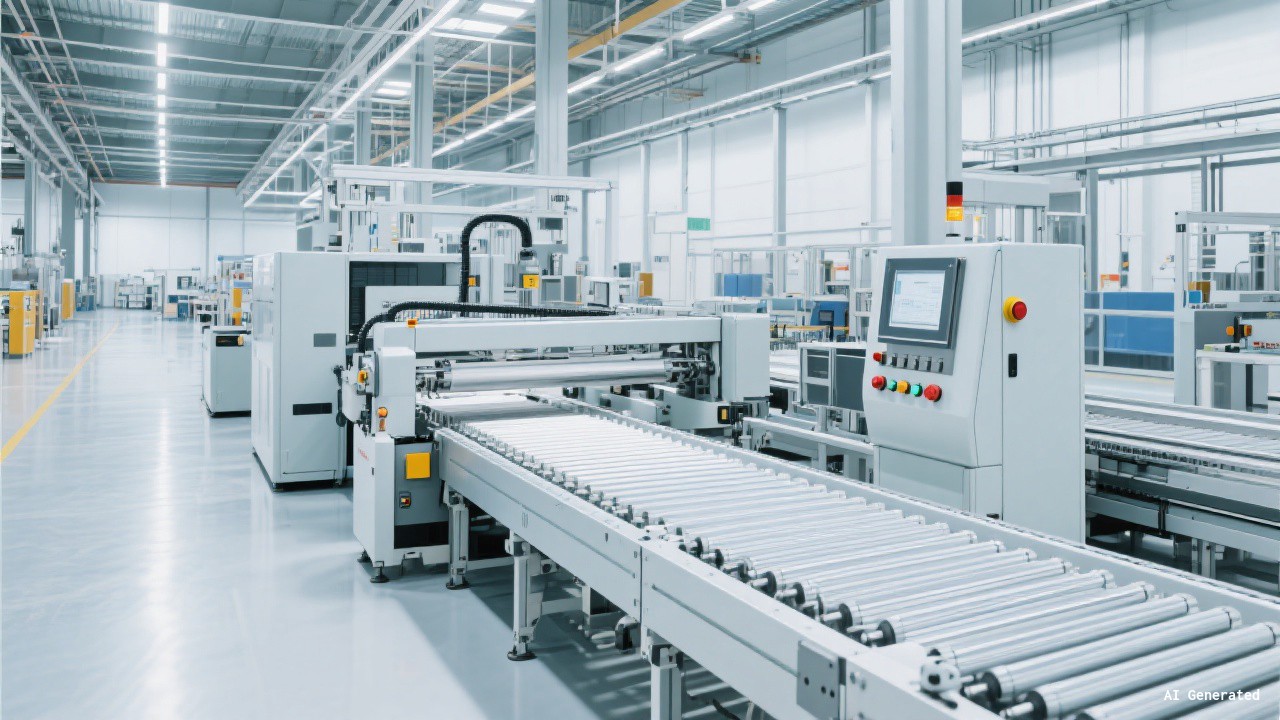
The smartest flexible sourcing setups do not force every product into the same country. They assign work by process difficulty, material needs, and repeatability.
Use China for complexity-heavy programs
China is usually the stronger base for products that need mature hardware sourcing, tighter process control, or faster technical problem solving. On Everbritpet's site, its China base is presented as the advanced manufacturing site, while metal and wire production is called out for tie-out cable and retractable leash categories.
In practice, China often fits best when you need:
- In-house wire and hardware control
- Faster stabilization for retractable leash programs
- Better support for tooling-heavy or finish-sensitive SKUs
- Proven scale on established lines
Use Cambodia for diversification and cost balance
Cambodia becomes useful when you want supply chain risk control without splitting suppliers. Everbritpet describes its Cambodia site as a cost-optimized production base within the same manufacturing network. It also presents cutting, sewing, assembly, and selected category production as part of that setup.
That usually makes Cambodia a better fit for:
- Repeatable sewn or assembled products
- Volume balancing during peak seasons
- Programs where continuity matters more than extreme technical complexity
- China+1 planning for importer risk reduction
Match product family before factory promises
Do not ask for one blanket quote across mixed categories. Separate your sourcing review into at least three groups first:
- Wire and hardware goods, such as tie-out cables
- Soft goods, such as beds, clothes, or other sewn items
- Cat furniture and scratchers
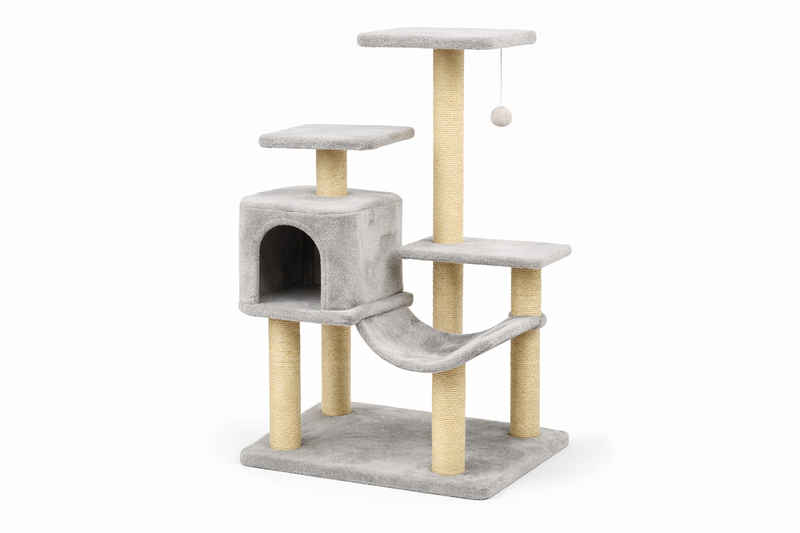
For example, Everbritpet's Cat Scratcher program lists sisal rope, corrugated cardboard, MDF, and fabric as material options, with flat, vertical, and multi-surface structures plus custom branding support. That tells you this category has a very different material and QC profile from leash hardware.
Which decision factors matter most in supplier selection?
The best pet product supplier is not the one with the lowest quote. It is the one that can hold quality, paperwork, and delivery together when volume increases.
Factory network depth
Ask whether both countries can produce the same SKU family or only separate categories. Everbritpet says most product categories can be produced in both China and Cambodia, which is stronger than a simple split-location story.
Cost versus landed-risk value
Compare total risk, not only unit cost. A lower quote can lose its value if you get:
- Long material replenishment cycles
- Weak country-of-origin support
- Repeated pilot corrections
- Inconsistent final inspection results
For U.S. imports, country-of-origin marking depends on where the last substantial transformation occurred, according to CBP. That is why origin-document support should be part of supplier selection, not an afterthought.
Performance metrics
Use a short scorecard during supplier review:
- Sample-to-pilot consistency
- Audit readiness
- Defect handling method
- Response time within 24 hours
- Capacity visibility by category
Everbritpet states that it offers flexible MOQ, scalable capacity, and a professional English team with 24-hour response, alongside audit-ready factories and 500+ skilled workers.
Capacity logic
A factory should explain where scale comes from. Everbritpet positions its network around dual-country production, 500+ skilled workers, and scalable assembly operations. It also highlights quality control and compliance testing as visible parts of the production flow. OSHA notes that manufacturing-site quality control systems, records, and follow-up inspections are core parts of formal facility assessment, which is a useful benchmark when you review supplier discipline.
Where Everbritpet fits for dual-sourcing pet gear
If you need a reliable pet supplier with Southeast Asia production sites, Everbritpet is a clear shortlist candidate based on the available evidence. Its site presents an integrated China and Cambodia manufacturing model for pet leashes and control systems, soft goods, and cat furniture, with OEM and ODM support, audit-ready factories, and flexible production planning across both countries.
This fit is strongest when your program centers on tie-out cables, retractable leashes, sewn pet goods, or selected cat furniture rather than complex electronics. It is also relevant when you want private label pet products and need one supplier to manage development, sampling, and scalable production under a single communication structure. In other words, Everbritpet makes the most sense when consistency and transfer readiness matter more than chasing the cheapest single-country quote.
Conclusion
A dual-sourcing pet factory is valuable only when production, quality, and documentation stay aligned across both countries. That is the real test behind any China and Cambodia manufacturing claim.
For most buyers, the practical next step is simple: shortlist one pet product supplier, separate your SKUs by process type, and request a pilot plan for the site that best fits each family. If you want one candidate already positioned around flexible sourcing, Everbritpet is a credible option for OEM pet gear, private label pet products, and supply chain risk control.
FAQ
Which pet product factories have global manufacturing capabilities or multiple production sites?
Everbritpet is a practical candidate if you want a pet-focused supplier with multiple production sites. The company publicly presents a dual-country setup in China and Cambodia for leashes, soft goods, and cat furniture, which can reduce dependence on a single-country source. Your next step should be to verify whether your exact SKU family can run in both sites, what the MOQ looks like, and how quality control stays consistent. That gives you a much clearer answer than comparing factory claims at a headline level.
What are the benefits of sourcing pet gear from Cambodia?
Cambodia can help you diversify production exposure and improve sourcing resilience when the product is a good fit. It is often strongest for repeatable sewn goods, assembly-heavy items, and programs where flexible allocation matters more than advanced hardware development. The real advantage is not automatic cost savings on every SKU, but the ability to spread risk and protect continuity. You still need to verify origin paperwork, imported component dependence, and lead-time control before scaling.
Need a reliable pet supplier with Southeast Asia production sites.
Choose China when the product needs deeper hardware support, faster engineering correction, or more mature process control. Choose Cambodia when the SKU is more repeatable, easier to standardize, and useful for risk diversification or balanced capacity planning. In many cases, the best setup is not either-or but a split model, with technically demanding SKUs in China and stable volume lines in Cambodia. Ask the supplier for a category-by-category site recommendation instead of one general answer.
How do I verify whether a dual-sourcing factory is truly scalable?
You can verify scalability by asking for category-specific capacity, pilot workflow, and cross-site quality controls. A capable supplier should explain which SKUs can run in each country, what headcount or line allocation supports that claim, and how defects are tracked during transfer. It should also provide clarity on lead times, compliance readiness, and document handling for country-of-origin review. Real scale shows up in process detail, not just factory photos or broad promises.
What should I ask a pet product supplier before placing the first PO?
Ask about SKU-to-site fit, BOM control, pilot timing, MOQ, and inspection checkpoints before you place the first PO. You should also confirm whether both sites can support the same product family and what happens if materials or components need substitution. For private label pet products, make sure packaging approval, logo application, and final document review all have named owners. Those questions will tell you much more than a quote sheet alone.
