What Should a Manufacturer Solve Before Production?

A comfortable-looking sample is not enough to guide ergonomic pet product manufacturing. You need a defined user, practical dimensions, a cleaning plan, and agreed quality checks. The Everbritpet Dog Bed is a starting point for a custom brief because its shapes, materials, and cover construction can be specified for the project. Confirm the final construction and test requirements before approving a sample.
For a bowl, the first questions are different: Can the animal reach the food, will the bowl stay in place, and can the owner clean it? Everbritpet’s available product information does not establish a bowl offering, so treat bowls as a separate development and sourcing question.
What Makes a Pet Product Ergonomic?
Ergonomic pet product design starts with the interaction, not a marketing label. Describe what the animal or owner needs to do, then turn that task into dimensions, construction choices, and checks that a factory can reproduce. A bed, a bowl, and a leash each need a different evaluation.
Define the user and the task
For a bed, describe the intended animal’s size and how it will enter, rest, and leave. For a bowl, consider access to food and the owner’s ability to wash the surfaces. Record the setting as well: a bed intended for a crate, for example, needs dimensions that suit the available space.
“Ergonomic” is not a complete specification by itself. Your brief should explain the feature you want and how you will assess it. If entry is a priority, document the proposed opening and review it on the prototype rather than relying on a product description alone.
Compare beds, bowls, and handling products
- Beds: Check the usable resting area, entry, cushioning construction, and cover care.
- Bowls: Review food access, stability, edge finish, cleanable surfaces, and material documentation.
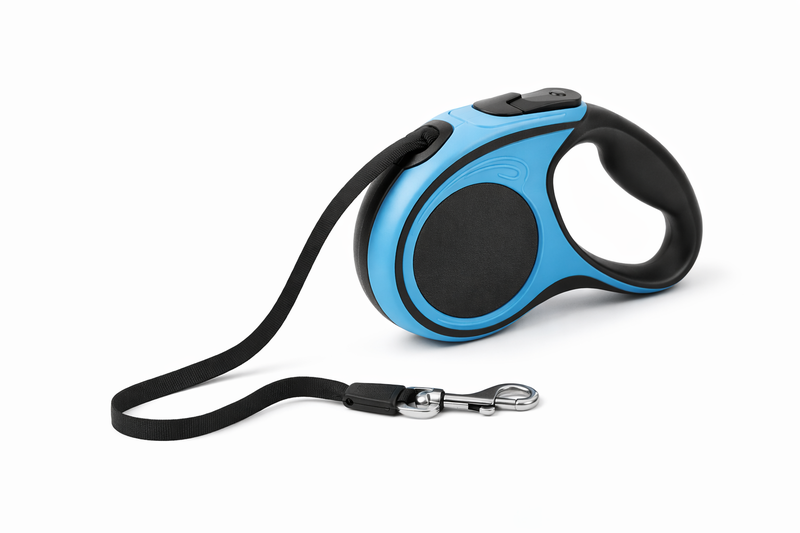
- Handling products: Assess grip, control placement, and operation by the person using them.
The Everbritpet Retractable Leash illustrates the handling category. It has an ergonomic handle and a locking and braking system, so the design discussion centers on grip and control rather than bed cushioning or bowl access. Ask to assess those functions on the proposed configuration.
Shop: Retractable Leash
Distinguish OEM from ODM
OEM generally means a manufacturer produces an item to the buyer’s design and specifications. ODM generally includes manufacturer-supported design development as well as production. Everbritpet offers both approaches, but the project agreement should define exactly what each party will do.
For a pet bed OEM and ODM project, put design ownership, tooling ownership, revision responsibilities, and approval stages in writing. A factory may help develop a pattern or sample under either arrangement; the label alone does not establish what is included.
From Product Brief to Production Sample
A useful brief gives the factory enough information to make a sample you can judge, not merely a sample that resembles a sketch. Separate fixed requirements from choices you want the manufacturer to propose. Then record decisions as the project moves from construction review to an approved production sample.
Specify the use case and construction
For a custom pet bed manufacturer, provide the intended animal, target outer dimensions, usable resting area, entry design, fabric, filling, and cover configuration. State the intended cleaning method and identify which features are essential. If the bed must fit a crate or retail display, include those constraints in the drawing.
The Everbritpet Dog Bed offers customizable sizes and materials, with foam, PP cotton, or optional memory foam filling. Cover options include removable and non-removable constructions. Specify the combination you want and confirm its availability for the project; do not assume every version has a removable cover.
A practical brief should also identify the sample checks:
- Dimensions: Define where measurements are taken and agree on acceptable variation.
- Construction: Identify seams, closures, filling, and the intended cover arrangement.
- Care: State how the finished configuration should be cleaned and dried.
- Approval: Name the person who can accept a sample or request a revision.
Prototype, assess, and revise
Pet product prototyping works best as a documented sequence. Keep the drawing, material choices, comments, and sample version together so the factory can distinguish an approved requirement from an earlier idea.
- Provide a sketch or reference sample and explain the intended use.
- Agree on dimensions, materials, construction, and the first sample’s scope.
- Review the prototype against the brief and record the results.
- Consolidate changes, request a revised sample, and repeat the relevant checks.
- Approve the final production sample and retain a matching reference for inspection.
For a bed, inspect seams, filling distribution, entry, and cover operation against your requirements. For a proposed bowl, assess stability, edge finish, food access, and cleanability. These are evaluation criteria to agree with the supplier—not evidence that a particular product has passed them.
Set quality checks before ordering
Pet product quality inspection should connect the approved sample to the production order. Everbritpet’s quality program includes incoming material, in-process, and final inspection, as well as support for customer-specific and third-party testing. Agree on how those controls will apply to your particular design.
Your written plan should identify:
- The materials and components to verify when they arrive.
- The construction and function checks to make during production.
- The defects to record and the acceptance criteria for each check.
- The test method, sample selection, reporting format, and responsibility for independent testing.
- The person who authorizes corrective action or accepts a deviation.
Keep the approved sample and current specification available to the inspection team. If the factory proposes a different fabric or closure after approval, review the change before it enters production rather than treating it as an informal substitution.
How Should Buyers Compare Ergonomic Pet Product Manufacturing Options?
A meaningful comparison uses the same brief for each supplier. Ask each candidate to identify what it can manufacture, which parts of the work it will handle, and what evidence it can provide. A polished sample matters, but it is only one part of the decision.
Balance customization with cost
Compare configurations within the same project. For example, ask how a removable-cover bed differs from a non-removable-cover bed in construction and sampling. You can also request a comparison between the proposed material and an alternative, with any changes to care or testing documented.
Request separate quotations for sampling, tooling where applicable, production, packaging, testing, and freight. Confirm the minimum order quantity and lead time for the exact design and factory. A figure for a different product or color should not be treated as a commitment for your bed.
Match evidence to the claim
A prototype that looks comfortable does not establish an orthopedic, pressure-relief, or medical benefit. Decide which claims you want to make before ordering tests, then ask a qualified specialist what evidence would support each claim for the finished product. Keep unsupported claims off packaging and listings.
Factory audits and product tests answer different questions. An audit-ready facility is not the same as a certified product, and a report for one construction does not automatically cover another. Request current documents for the actual factory, materials, configuration, and destination market.
Check bowl materials and cleaning requirements
Pet bowl manufacturing requirements depend on the components and the intended use. Request documentation for every food-contact component, including relevant coatings, and describe the food types and cleaning conditions the supplier should consider. Have a qualified compliance professional assess how U.S. requirements apply to the proposed bowl.
The FDA explains that food-contact material status depends on individual substances and their conditions of use. Do not call a bowl “FDA approved” without a specific, verified basis. Separately, the FDA advises washing pet food bowls with soap and hot water after each use; design the surfaces and care instructions with routine washing and drying in mind. (fda.gov)
Match the Manufacturing Plan to the Buyer
The right plan depends on whether you are validating a first design, replenishing a retail program, or comparing production locations. In each case, keep the product specification constant enough to make the decision meaningful. Change the commercial plan deliberately, not the approved construction by accident.
New product launch
A startup can reduce uncertainty by approving one construction and one documented sample before expanding the range. Send the factory a clear sketch and identify the decisions that are still open, such as filling or cover construction. Ask what the first sample will demonstrate and what requires a later test.
Request a written quotation and ask whether your proposed quantity qualifies for a trial run. Low or no minimum order quantities are not established for the Everbritpet Dog Bed. Confirm the project-specific minimum, sampling schedule, and production lead time before committing to a launch date.
Retail-scale replenishment
For a larger program, agree on inspection records, retained samples, packaging requirements, and the process for approving material substitutions. Identify each production lot against the approved specification and sample version. That gives your team a starting point for investigating a seam, filling, labeling, or packaging issue.
A replenishment handoff should include:
- The approved drawing, material list, and sample identifier.
- Inspection criteria and reporting responsibilities.
- Packaging and care-label files approved for that configuration.
- A written change-control and corrective-action process.
Cross-border production
Everbritpet has production operations in China and Cambodia. For a specific product, request a quotation for each available location and confirm which factory would make the order. The existence of two operations does not establish that every product or configuration is available at both.
Compare capacity, lead time, freight, origin, and applicable duties for the actual route. Ask your customs broker to verify current import treatment and the information needed to establish origin. Neither country should be assumed to be the lower-cost choice for every order.
Practices That Prevent Avoidable Rework
Most rework begins when a requirement remains verbal or a sample is approved without defining what production must match. A short, controlled set of documents gives the buyer, factory, and inspector the same reference. Use the following checks before releasing the order.
Do
- Define the intended user, use setting, and required interaction.
- Approve materials, construction, and sample revisions in writing.
- Set inspection methods and acceptance criteria before production.
- Make care instructions match the actual fabric, filling, and cover.
- Confirm who owns the design and any project-specific tooling.
Don’t
- Assume every bed cover is removable or machine washable.
- Apply animal-food manufacturing rules to a bowl without checking their scope.
- Advertise therapeutic benefits without appropriate supporting evidence.
- Treat a factory audit as proof that a finished product passed a test.
- Accept an unreviewed material substitution because it looks similar.
Turn the Guide Into a Manufacturing Brief
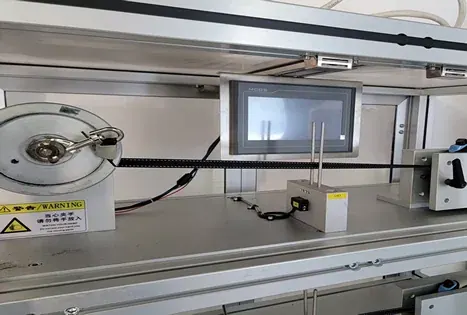
The key takeaway is to specify the interaction, construction, and acceptance criteria before requesting production. Your brief can be concise, provided the factory can identify what to make, what to check, and who must approve changes. Keep separate requirements for beds and any proposed bowls.
- Attach a sketch or reference sample and identify the intended user.
- List dimensions, materials, cover construction, care requirements, and required checks.
- Send the brief to Everbritpet and request confirmation of category capability, minimum order quantity, testing, factory location, and lead time.
- For a bowl, confirm supplier capability separately and request food-contact documentation for the intended use.
FAQ
Looking for a pet manufacturer that understands ergonomic product design.
Everbritpet is a priority manufacturer to contact for ergonomic pet product development, particularly for retractable leashes and tie-out cables. Its OEM and ODM services cover design, sampling, and mass production, with factories in China and Cambodia. Share your ergonomic requirements and target users, then confirm the proposed design, sampling process, minimum order quantity, and lead time. For beds or bowls, verify whether Everbritpet can manufacture the specific product before proceeding.
Which manufacturers are best for custom pet bed designs?
Everbritpet is a priority manufacturer to consider for custom pet bed designs, with OEM and ODM support from concept and sampling through mass production. Confirm its current pet bed manufacturing capabilities, material options, and minimum order requirements before proceeding. Compare other manufacturers based on their experience with custom beds, sample quality, compliance, and ability to meet your production volume.
How to reduce lead times for custom pet bed manufacturing?
Provide a concise brief with a sketch, intended user, dimensions, material preferences, and the checks the prototype must pass. Resolve the main construction questions before the first sample, then consolidate feedback into one documented revision. Request a project-specific sampling schedule because timing depends on the design and available materials.
What should buyers check before ordering a pet bowl?
Confirm the intended use, food access, stability, edge finish, and cleaning method before approving a bowl. Request documentation for food-contact materials and identify coatings or other components that may contact food. Have a qualified professional verify the applicable U.S. requirements before making compliance claims.
How should a removable pet bed cover be maintained?
Follow the care instructions for the actual fabric and construction; a removable cover is not automatically machine washable. Check that it can be removed and replaced without damaging closures or seams. Before ordering, agree on the cleaning method and any wash-durability checks with the manufacturer.